
10 Years Later, 'Moonlight' Is More Important Than Ever
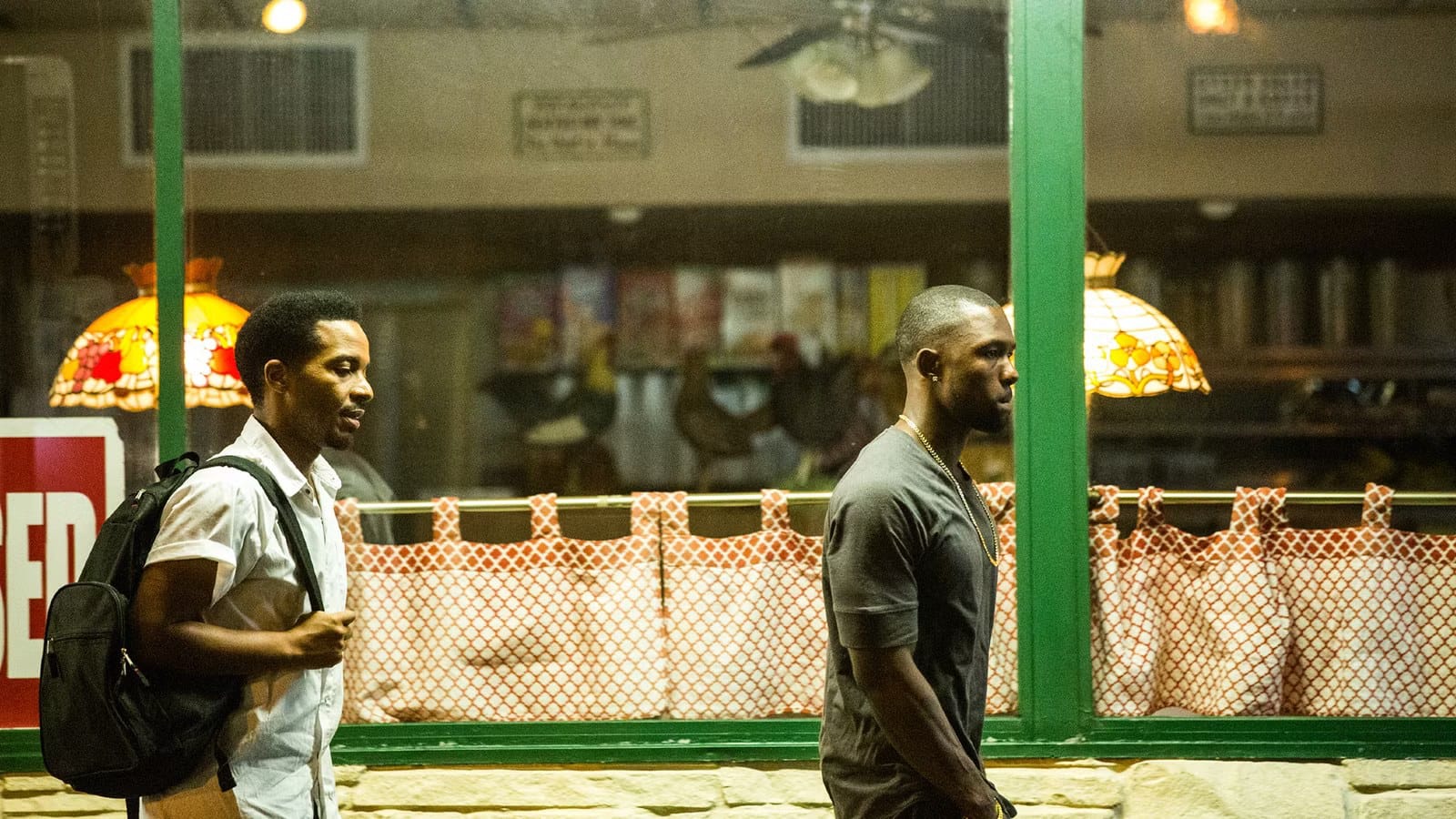
Ten years after its Best Picture victory—famously misannounced as La La Land before Moonlight was correctly named—Barry Jenkins’s film remains urgently relevant. Its Oscar win felt like a promise that stories of Black and queer lives would move to the forefront, a promise that the industry would change in meaningful ways.
Immersive, beatific, and callous at once, Moonlight traces Chiron’s coming of age through relationships like the one with Juan (Mahershala Ali, who won Best Supporting Actor). The film shows how toxic masculinity and queerness can be in irreconcilable conflict, a tension Chiron sums up when he says, “I want to do a lot of things that don’t make sense.” That hope of lasting change proved uneven.
Two years later Green Book won Best Picture—a whitewashed, white-savior tale centered on a white director’s perspective and Viggo Mortensen’s character—marking a retrenchment in what stories about minorities were elevated.
moonlight, barry jenkins, oscar win, best picture, chiron, mahershala ali, toxic masculinity, queerness, green book, white savior