
9,500-year-old cremation pyre discovered in Malawi with adult remains
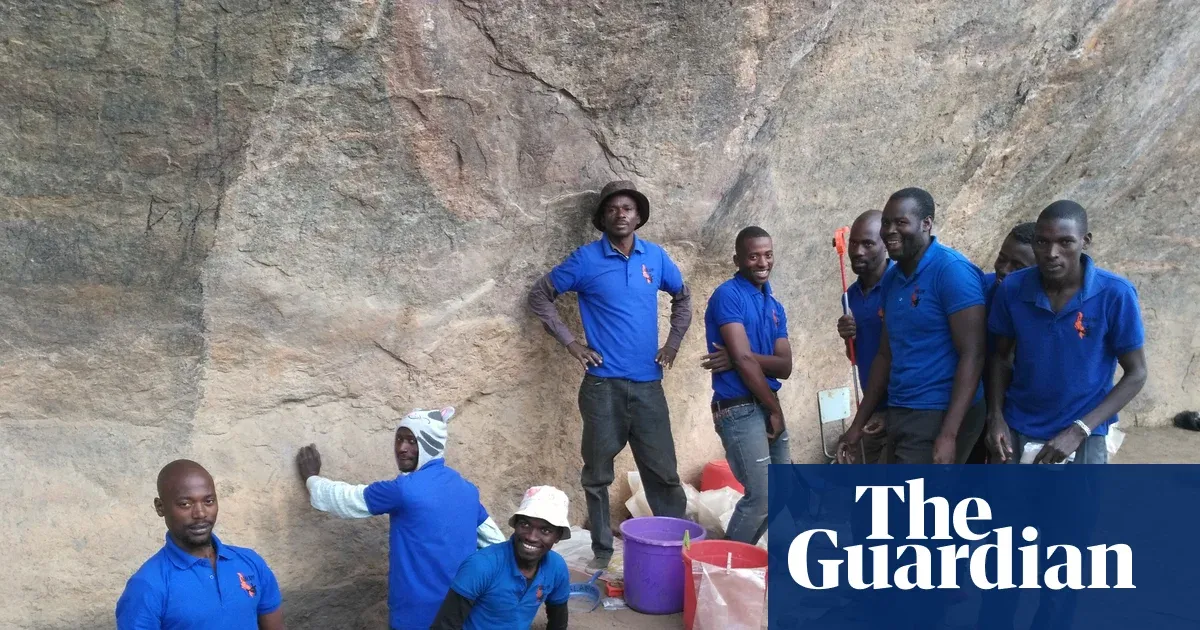
Researchers say they have uncovered a cremation pyre built about 9,500 years ago in a rock shelter at the foot of Mount Hora in northern Malawi, thought to be the oldest in the world to contain adult remains and the oldest confirmed intentional cremation in Africa. Excavations in 2017 and 2018 recovered 170 individual human bone fragments in two clusters, apparently from an adult woman just under 1.5 metres tall, embedded in layers of ash, charcoal and sediment.
The skull was missing and cut marks suggest some bones were separated at the joints and flesh removed before burning. "There is no evidence to suggest that they were doing any kind of violent act or cannibalism to the remains," said Dr Jessica Cerezo‑Román, who led the study. The team also found flakes and points from stone‑knapping in the pyre and say the structure was about the size of a queen‑sized mattress, implying considerable knowledge and coordination to build and maintain; the two clusters of bones indicate the body was moved during cremation.
Dr Jessica Thompson of Yale said such deposits might reflect funerary practice, asking whether objects were deliberately placed in the fire or were part of the body itself, while Cerezo‑Román said knapping could have been used to cut flesh. The rock shelter appears to have been used as a natural monument with burials from about 16,000 to 8,000 years ago, and small collections of bones from different individuals have been recovered.
Key Topics
Science, Cremation Pyre, Mount Hora, Malawi, Hunter-gatherers, Stone Knapping