
Study: Actual U.S. Tariffs Much Lower Than Announced, but Costs Fell Heavily on American Firms
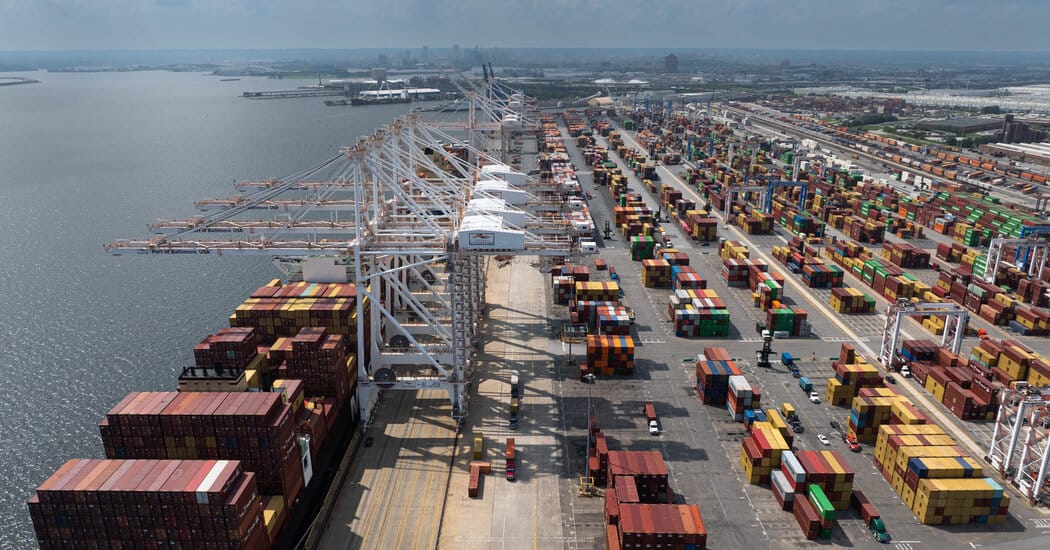
President Trump raised U.S. import tariffs to levels not seen in a century, and prices and business strains followed. Yet the economic effects have been smaller than some analysts expected after April announcements of broad, double-digit tariffs. A working paper by economists at Harvard and the University of Chicago finds a key reason: importers paid far lower tariffs than the administration’s announced rates.
By analyzing tariff revenue and import values, the authors estimated the actual U.S. tariff rate was 14.1 percent at the end of September, roughly half the nominal rate the administration cited. The paper estimated a trade-weighted nominal tariff rate of 27.4 percent in September, down from a 32.8 percent peak in April.
Gita Gopinath of Harvard said, "The actual tariffs are much lower than what were announced, and that is one of the reasons why the effects have not been as big as feared." Several factors reduced the realized tariff burden: exemptions for goods already en route when tariffs were announced, targeted carve-outs for semiconductors and products that contain them, broad allowances for Canada and Mexico under the U.S.-Mexico-Canada Agreement, and instances of tariff evasion.
The authors calculated that chips entered the United States at an actual tariff rate of about 9 percent, and exports from semiconductor-heavy places such as Taiwan faced an 8 percent actual rate versus a 28 percent official rate.
Key Topics
Business, Donald Trump, Gita Gopinath, Brent Neiman, Harvard University