
Africa CDC says US-funded hepatitis B newborn trial in Guinea-Bissau cancelled
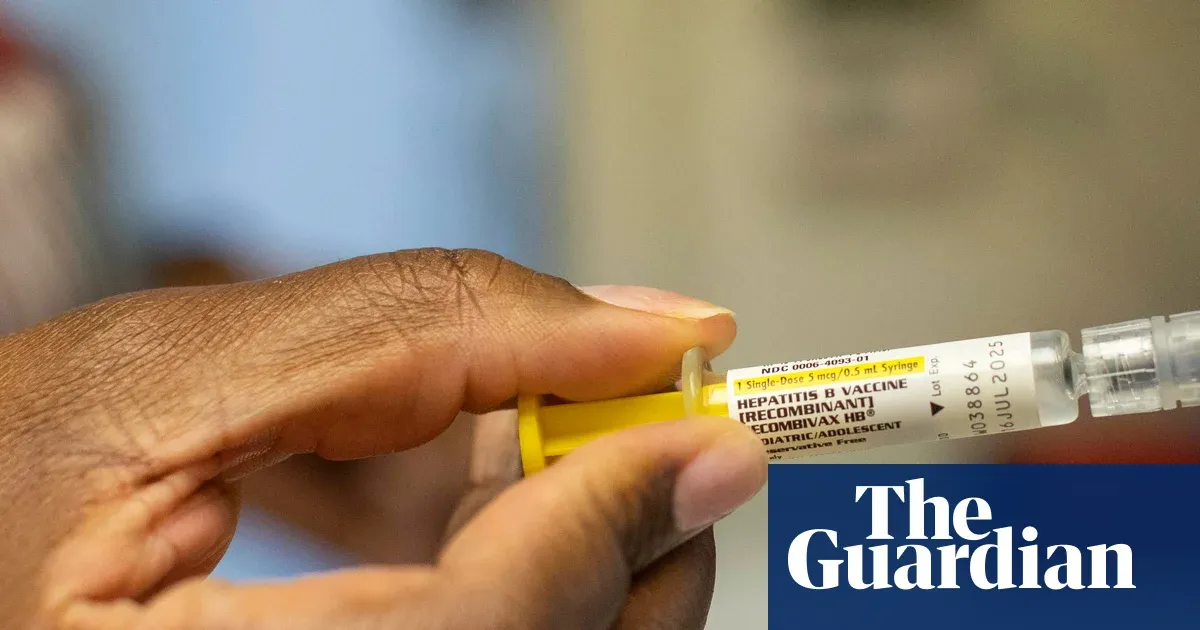
The controversial US-funded study on hepatitis B vaccines among newborns in Guinea-Bissau has been cancelled, Africa Centres for Disease Control and Prevention senior official Yap Boum said. "The study has been cancelled," Boum told journalists at a press conference on Thursday morning.
The $1.6m study, funded under the purview of Robert F Kennedy Jr, drew outrage over ethical questions about withholding a vaccine proven to prevent hepatitis B in a country with a high burden of the disease. Boum said the study was halted because it raised critical ethical questions and that "the way the study was designed was a big challenge." Africa CDC officials said the trial would only move forward once it was redesigned to address ethical issues, and that there were "still some conversations happening" between Guinea-Bissau officials and the US; they have assembled a team to support redesign and ensure the study fits ethical regulations.
Officials in Guinea-Bissau, however, told journalists the trial will still happen. Critics called the cancellation a victory for research ethics. Paul Offit described the news as "extremely heartening" and said "the good guys won," arguing the trial would have deprived half of participants of a life-saving vaccine.
Around 18% of adults and about 11% of children under one in Guinea-Bissau have hepatitis B; the country currently recommends vaccination at six weeks and plans to move to birth-dose vaccination in 2027 when more doses are available.
Key Topics
Health, Africa Cdc, Guinea-bissau, Hepatitis B Vaccine, Rfk Jr, Yap Boum