
AI-generated images of Nicolás Maduro spread widely after reports of his arrest
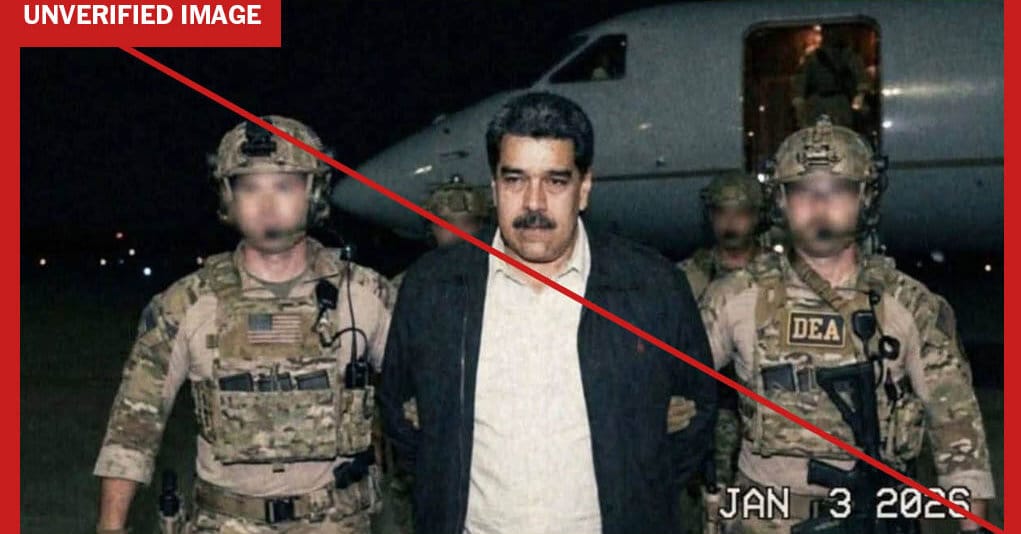
Hours after news spread online that Nicolás Maduro was arrested by U.S. forces, social media was flooded with photographs appearing to show the ousted Venezuelan president in custody that experts said were fake and likely produced by artificial intelligence tools. News organizations and fact-checkers found dozens of fabricated or misleading images and videos.
NewsGuard tracked five fabricated and out-of-context images and two misrepresented videos tied to Mr. Maduro’s capture, saying the content drew more than 14.1 million views on X in under two days. The New York Times tested a dozen A.I. generators and reported that many mainstream tools, including Gemini and models from OpenAI and X, quickly produced requested images in tests, while other tools either produced less accurate depictions or refused.
Company responses and safeguards varied: Google pointed to a hidden watermark, SynthID, that it says Gemini embeds in its images; an OpenAI spokesperson said the company focuses safeguards on certain harms; X.ai’s Grok produced lifelike images and acknowledged "lapses in safeguards" it said it was urgently fixing.
Fact-checkers and researchers warned the episode showed how easily A.I. imagery can fill visual gaps during fast-breaking events, especially in places like Venezuela where limited media sources make trustworthy information harder to find.
Key Topics
Tech, Nicolas Maduro, Venezuela, Gemini, Openai, Grok