
ANCAP will require physical controls or fixed display area for key car functions from 2026
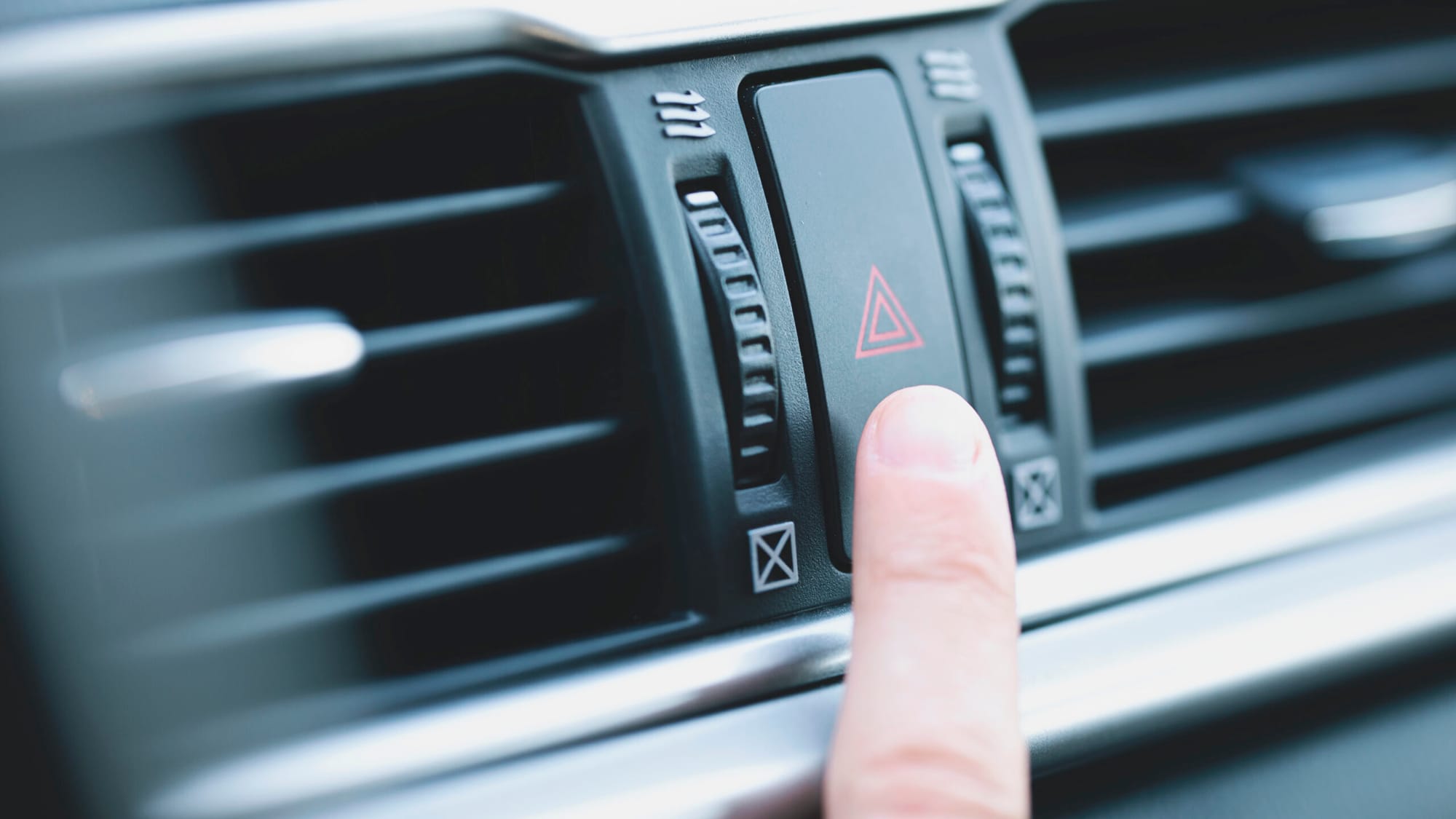
Australian crash testers ANCAP will, from 2026, ask car makers to either offer physical buttons for important driver controls or dedicate a fixed portion of the cabin display screen to those primary driving functions. The guidance responds to a broader shift away from knobs and buttons toward capacitive touch modules and touch panels, which manufacturers favour because they are quicker and cheaper to fit during assembly.
Controls for heating and cooling, headlights, seat heaters and more have moved onto touchscreens or into infotainment bezels, and those interfaces are more distracting to use than physical buttons. ANCAP—like Euro NCAP—is not requiring every function to be a physical control, “lest all our cars look like the flight deck of a Boeing 747-400, or perhaps a first‑generation Porsche Panamera.” Its guidance states: “From 2026, we’re asking car makers to either offer physical buttons for important driver controls like the horn, indicators, hazard lights, windscreen wipers and headlights, or dedicate a fixed portion of the cabin display screen to these primary driving functions.” Europe is also moving to require turn signals, hazard lights, windshield wipers, the horn and SOS features such as the EU’s eCall function.
Key Topics
Tech, Ancap, Australia, Euro Ncap, Capacitive Touch, Infotainment Touchscreen