
Apple Reduces Vision Pro Production After Low Consumer Demand
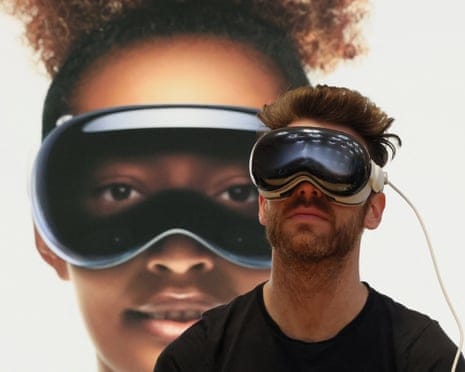
Apple has cut production of its Vision Pro mixed-reality headset following weak consumer demand, according to market research groups and media reports.
Sensor Tower figures, first reported by the Financial Times, indicate Apple dramatically reduced marketing for the Vision Pro by more than 95% last year. The steep drop in promotion came as analysts reported sluggish sales for a device that carries a premium price tag of at least £3,199 ($3,499).
Apple itself has not released official sales figures for the headset. The market research group International Data Corporation (IDC) estimates that Apple sold about 45,000 units in the final quarter of last year. IDC also reported that Luxshare, the Chinese contract manufacturer for the headset, stopped production at the start of 2025. Apple has not expanded direct sales beyond a limited set of 13 countries.
Industry observers say the Vision Pro’s challenges reflect a combination of factors. Reviewers and early users criticised the device for being heavy and uncomfortable and described some of its functionality as more gimmick than game changer. Concerns were also raised after users were filmed wearing Vision Pro headsets while driving.
Analysts point to the headset’s price, form factor and a lack of native apps as barriers to broader adoption. Morgan Stanley technology analyst Erik Woodring told the Financial Times: “We can say the cost, form factor and the lack of VisionOS native apps are the reasons why the Vision Pro never sold broadly.” Apple has said there are about 3,000 apps available for the headset, a relatively small catalogue compared with the proliferation of apps that followed the launch of devices such as the iPhone.
Despite the setbacks for Vision Pro, Apple continues to sell iPhones, iPads and laptops in the millions each quarter. Nonetheless, the mixed-reality headset’s performance would mark a rare commercial disappointment for the company if production cuts and marketing reductions are confirmed.
The Vision Pro, launched in 2023, was positioned by Apple’s chief executive at the time as the start of a new era of “spatial computing.” At the product launch, Tim Cook said the device would “blend digital content into the space around us” and introduce users to spatial computing. That vision has so far failed to translate into mass-market sales.
Market dynamics in the wider virtual reality sector also present headwinds. Counterpoint Research has forecast a 14% reduction in annual sales of virtual reality headsets. Meta’s Quest devices, which are less technologically advanced than the Vision Pro, retail at around £419 and account for an estimated 80% share of the market, according to reports.
Meta confirmed a strategic shift last month, saying it was “shifting some of our investments from metaverse towards AI glasses and other wearables.” Reports in the tech press suggest Apple has also paused the planned next iteration of its virtual reality hardware to prioritise wearable devices powered by artificial intelligence. Apple is reportedly planning a lower-priced version of the Vision Pro for a later release in the year.
Observers have drawn comparisons between the Vision Pro’s reception and earlier high-profile consumer hardware missteps. The social backlash that surrounded Google Glass in 2013 has been cited as a cultural parallel, with critics warning that bulky head-worn devices can make users feel isolated and attract negative attention.
Apple has declined to comment on media reports that it is scaling back production and development of virtual reality headsets. If confirmed, the steps would represent a notable shift in strategy for a company that had pitched the Vision Pro as a transformative product for the next wave of computing.
For now, the emphasis among several major technology companies appears to be moving from fully immersive virtual reality and metaverse concepts toward wearable devices that integrate artificial intelligence. How quickly consumer demand will follow remains uncertain, and the progress of lower-cost, AI-enabled glasses and other wearables will be a key factor shaping the future direction of headset makers, including Apple.
Key Topics
Apple Vision Pro, Vision Pro Production Cuts, Mixed-reality Headset Sales, Visionos Native Apps, Vision Pro Price Tag, Sensor Tower Marketing Reduction, Idc Unit Sales Estimate, Luxshare Production Halt, Spatial Computing Vision, Vision Pro Comfort Issues, Vr Headset Market Decline, Meta Quest Market Share, Ai-enabled Wearables