
Arctic wildfires are becoming larger, hotter and more frequent, researchers say
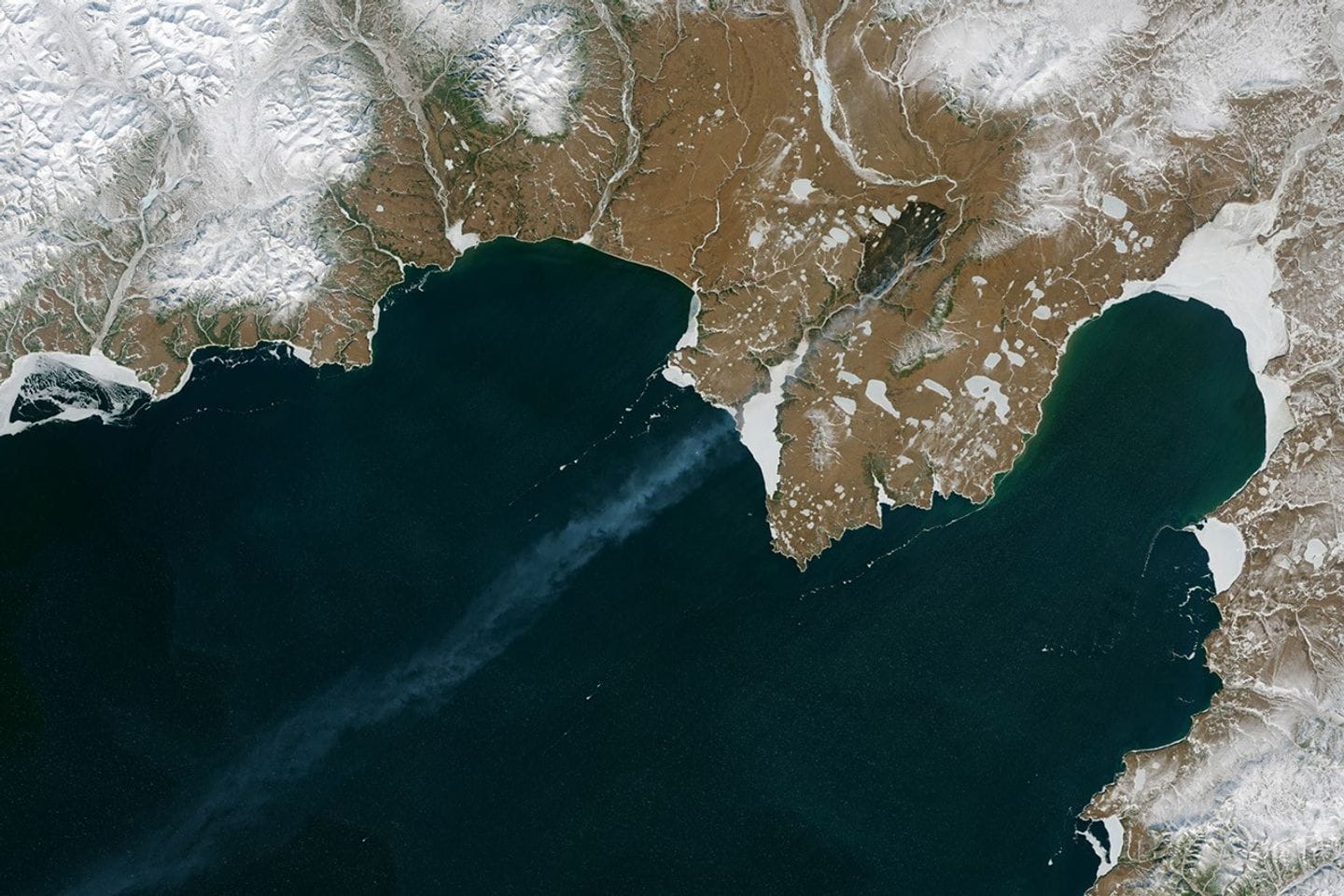
NASA researchers report that the number of wildland fires in the Arctic is rising, and that these blazes are burning larger, hotter and longer than in previous decades, a trend detailed in a 2025 report by the Arctic Monitoring and Assessment Programme (AMAP). The report ties the change to rapid Arctic warming—nearly four times the global average—which alters rain and snow patterns and reduces soil moisture, making landscapes more flammable.
Lightning, the primary ignition source for Arctic fires, is also occurring farther north. "Fire has always been a part of boreal and Arctic landscapes, but now it's starting to act in more extreme ways that mimic what we've seen in the temperate and the tropical areas," said Jessica McCarty, the report’s lead author and Deputy Earth Science Division Chief at NASA’s Ames Research Center.
"It's the intensity that worries us the most because it has the most profound impact on how ecosystems are changing," said Tatiana Loboda of the University of Maryland. Researchers say intense fires kill trees, burn deep into carbon-rich peat and thaw permafrost, and can create holdover or "zombie" fires that smolder through winter and reemerge in spring.
Key Topics
Science, Arctic Wildfires, Arctic, Permafrost, Peat Deposits, Amap