
When ASM Produces Visibility but Not Clear ROI
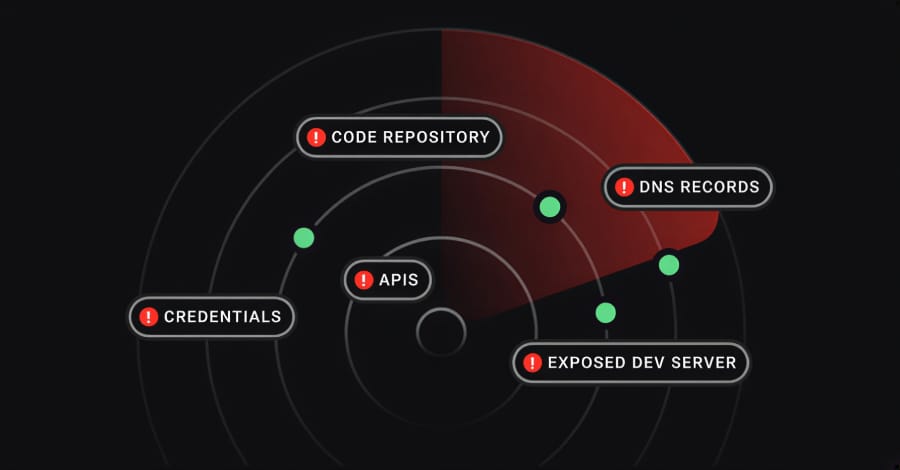
Attack Surface Management (ASM) tools often deliver more information than demonstrable risk reduction. Teams deploy ASM, inventories grow, alerts flow and dashboards light up—but when leaders ask "Is this reducing incidents?" the answer is frequently unclear. The core ROI problem is that most ASM programs measure inputs—assets discovered, changes detected, alerts generated—instead of outcomes.
That focus on coverage produces visible activity but not necessarily a safer environment. Common operational signs include alert fatigue, long backlogs of unresolved assets, repeated ownership confusion and exposures that linger for months. Asset discovery is necessary: you cannot protect what you do not know exists.
But discovery metrics alone do not show whether the organization is actually improving security. The measurement gap appears when visibility metrics are not paired with measures that demonstrate reduced exposure or faster remediation. Three outcome-oriented metrics provide a clearer signal of real risk reduction.
First, mean time to asset ownership: how long it takes to identify who owns an asset. Shortening that time reduces the window when exposures exist without accountability. Second, reduction in unauthenticated, state-changing endpoints: tracking how many external paths can change state without authentication helps show whether the attack surface is shrinking in meaningful ways, not just in raw asset counts.
Key Topics
Tech, Attack Surface Management, Sprocket Security, Topher Lyons, Asset Inventory, Asset Ownership