
Asset reuse in videogames is essential and should be embraced
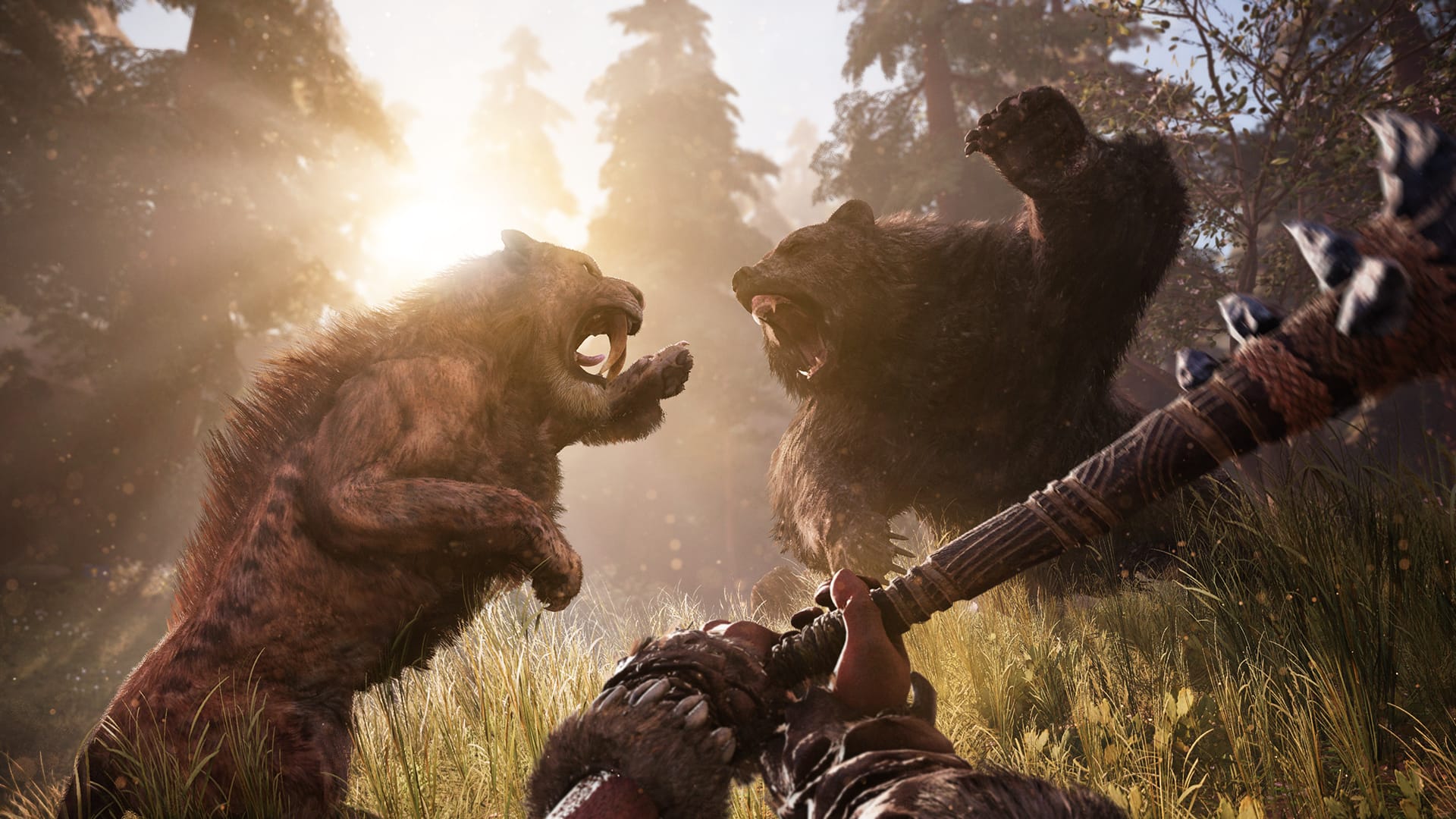
Far Cry Primal was billed as a radical departure for the series, sending players back to the Mesolithic to hunt with clubs and face saber-toothed cats. Within days many noticed familiar waterways and paths: the map was roughly the same as Far Cry 4. Alex Hutchinson, who was still at Ubisoft and directed Far Cry 4, says he urged the team to explain the connection: "I kept saying to them, 'Just announce it, because someone will figure it out.
Just say it's the same place 40,000 years ago. And then it's cool.' They didn't say anything and then everyone was like, 'Cheap developers!', as always." Other examples followed, such as Call of Duty: Ghosts echoing the motions of Modern Warfare 2's ending with near-identical animations.
For a time asset reuse became shorthand for laziness, a public-relations problem for games that sell spectacle. Developers argue the opposite: iterative reuse provides the groundwork that lets studios spend time adding new features and ideas.
asset reuse, videogames, far cry, primal, ubisoft, alex hutchinson, modern warfare, saber-toothed, mesolithic, animations