
Beijing coal ban cut pollution but leaves Hebei villagers facing high heating costs
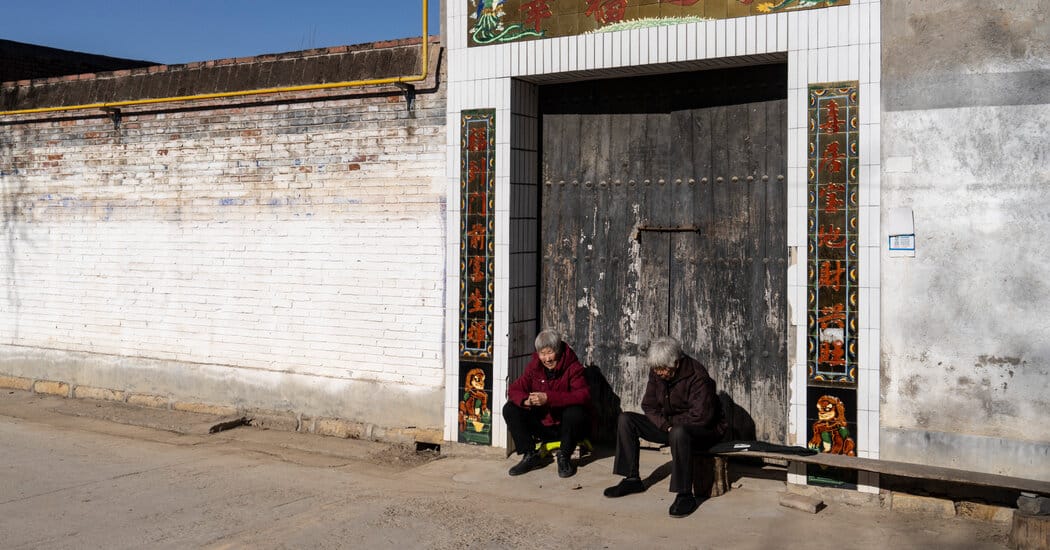
Villagers in Quyang County in Hebei Province say they are struggling to heat their homes after the government banned burning coal for residential heating around Beijing. The central government imposed the coal ban in much of Hebei beginning in 2017 and promoted natural gas as a cleaner replacement, initially subsidizing the fuel.
This winter, officials sharply cut or eliminated those subsidies, and villagers report gas bills that can be about three times higher than the cost of coal. One resident, Dong Tongzhou, said he spent about 1,000 yuan each winter, over a third of his 800-yuan pension, and others described rationing heat, secretly burning banned firewood, or huddling under blankets.
State and local reporting noted that gas prices in Hebei are generally 10 to 20 percent higher than in Beijing or Tianjin and that subsidies can vary widely by employment status; Chinese media said retired government officials in neighboring Shandong have received heating subsidies many times larger than low-income rural residents.
Beijing officials have celebrated large air-quality gains — the city said it recorded only one day of heavy pollution in 2025, a 98 percent drop compared with 2013 — and analysts say Hebei has borne much of the cost.
Key Topics
World, Hebei Province, Quyang County, Beijing, Natural Gas, Coal Ban