
Beneath the Great Wave: Hokusai and Hiroshige — how two masters reinvented art
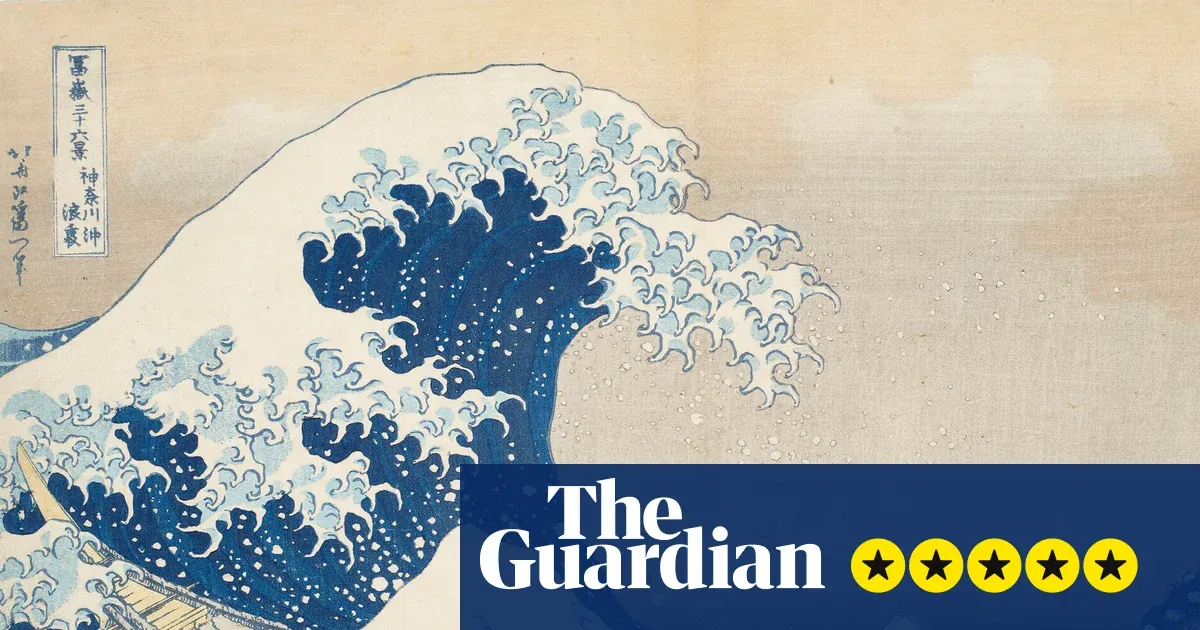
Printed images made in Japan between the 17th and 20th centuries, collected as “pictures of the floating world”, were once sold for about the price of a bowl of noodles. Produced by workshops of artists and artisans, these mass‑produced prints began as sexy, dazzling snapshots of Tokyo high life, making professional works of art available to ordinary people for the first time.
They are breathtakingly beautiful and, in their popularity and reach, changed the history of art. The earliest and most enduring subjects were kabuki actors and the courtesans of Yoshiwara. The first half of the exhibition dwells on those denizens of the floating world: Kunichika’s actor as a “heavenly being”, Eizan’s “fashionable beauty” caught applying lipstick, and transgressive scenes by Hiroshige and Shunchô that hint at the darkness beneath the glamour.
Japan, Tokyo
hokusai, hiroshige, ukiyo-e, woodblock prints, floating world, kabuki, courtesans, yoshiwara, kunichika, shuncho