
Big U.S. Banks Report Disappointing Quarterly Results Amid Policy and AI Questions
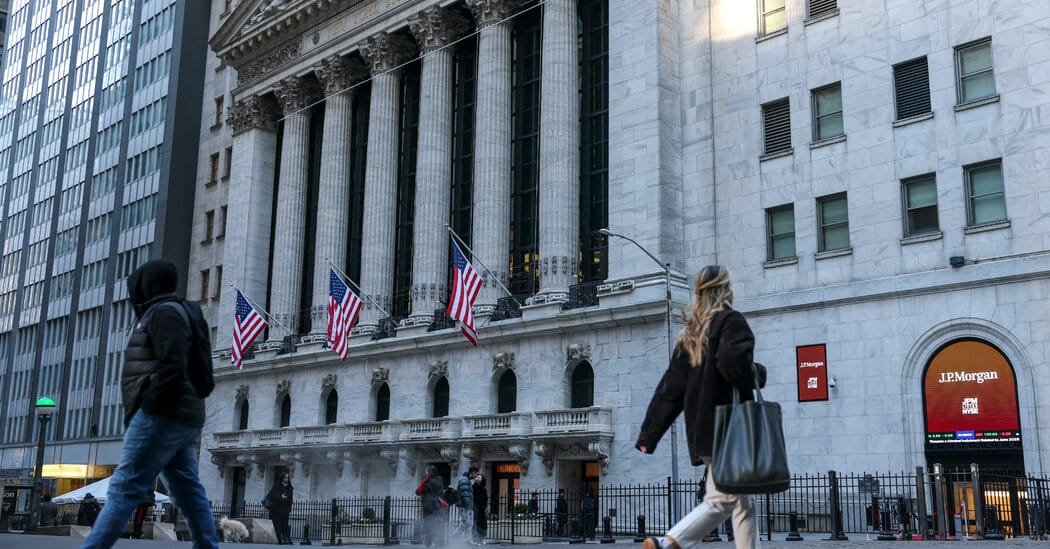
This week the nation’s largest banks — Bank of America, Citi, JPMorgan Chase and Wells Fargo — reported quarterly earnings that fell short of expectations, and their shares declined, marking what The New York Times described as the first stumble after a yearlong run of rising markets and easing regulations.
The banks faced a range of problems: JPMorgan dealt with delayed merger deals, Citi struggled with stubborn expenses, and Bank of America confronted questions about the effectiveness of its artificial intelligence tools. By contrast, firms focused on wealthy clients, including Goldman Sachs and Morgan Stanley, fared comparatively better.
Wells Fargo said it had not seen a “meaningful” shift in its customer data, with another executive noting “very consistent activity,” but the bank’s profits were lower than expected in part because mortgage lending remained weak. The reports were also dominated by discussion of President Trump’s threatened 10 percent cap on credit card rates; it is not clear how or if he could unilaterally impose such a ceiling, and bankers warned lower rates would reduce lending to riskier borrowers.
JPMorgan’s chief financial officer said, “It would obviously be bad for us.” Banks pointed to reasons for optimism even amid the setback: trading in strong markets helped investment-banking results, a rise in mergers and acquisitions has boosted dealmaking, and large bank stocks remain up strongly over the past 12 months.
Key Topics
Business, Jpmorgan Chase, Wells Fargo, Citi, Goldman Sachs