
Study: bold speech can slow authoritarian creep, model shows
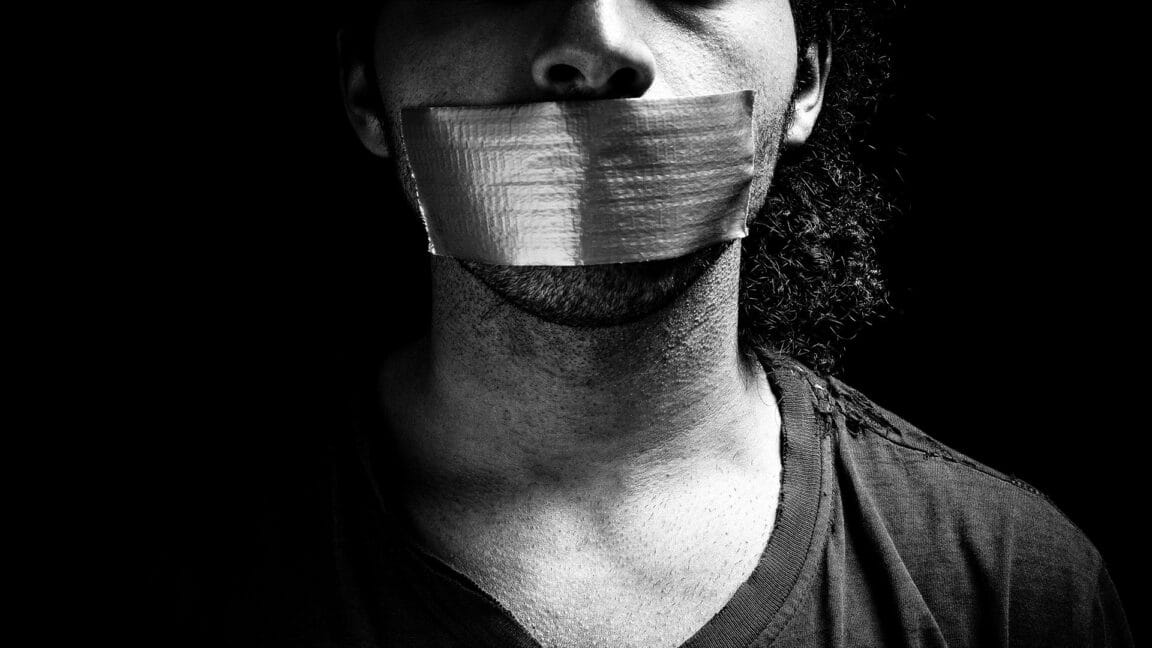
A new paper in the Proceedings of the National Academy of Sciences uses an agent-based computational model to examine how people balance the urge to speak out against the fear of punishment and how authorities adjust surveillance and penalties to minimize dissent. Co-author Joshua Daymude of Arizona State University said the project grew out of changes in social media moderation and differing state strategies for controlling speech — from platforms that largely avoid moderation to actions like Weibo releasing posters' IP addresses.
He also noted contrasting national approaches such as Russia’s detailed legal restrictions and China’s vague, unpredictable enforcement, described as “The Anaconda in the Chandelier.” The model shows several dynamics. A draconian punishment strategy can suppress nearly all dissent, but regimes often reach that point through small, incremental increases in severity.
The study cites the Hundred Flowers Campaign as an illustrative historical pattern: initial tolerance followed by abrupt crackdown leads a population toward increasing self-censorship. Crucially, the authors find that population boldness can block an authoritarian pathway. “Be bold.
It is the thing that slows down authoritarian creep,” Daymude said: if many people keep dissenting, authorities cannot ratchet up repression without continual visible pushback. The paper also compares two punishment regimes.
Key Topics
AI, Science, Free Speech, Self-censorship, Social Media, Authoritarianism, Modeling