
British Columbia will end three-year drug decriminalization pilot
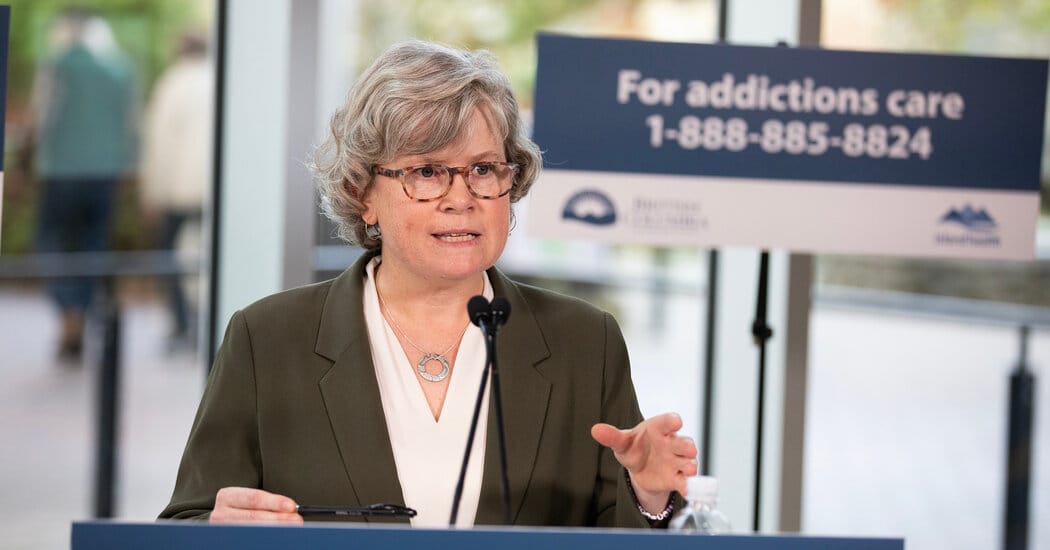
British Columbia announced it will end a three-year pilot program that decriminalized possession of small amounts of illegal drugs; Health Minister Josie Osborne said the program will end on Jan. 31.
The experimental pilot began in January 2023 after the province received a federal exemption allowing people to carry minuscule amounts of cocaine, opioids, methamphetamines and MDMA. Police were largely directed not to lay narcotics possession charges for individuals found with up to 2.5 grams of drugs in total for personal use, and government data show arrests have remained well below 2022 levels.
Ms. Osborne said the pilot was designed as a time-limited trial with ongoing monitoring and that "the pilot hasn't delivered the results that we hoped for," but she did not elaborate. The program drew intense political backlash, with critics blaming it for public disorder; Premier David Eby in 2024 restricted the pilot by banning public drug use.
Supporters had framed reduced criminal charges as a way to redirect people to public health resources, and advocates noted lower arrests can reduce harms tied to criminal-justice involvement. The province said it would not renew its request for the federal exemption and will end the program on Jan. 31.
Key Topics
Politics, British Columbia, Vancouver, Josie Osborne, David Eby, Drug Decriminalization