
British companies profited from Brazilian slavery long after abolition
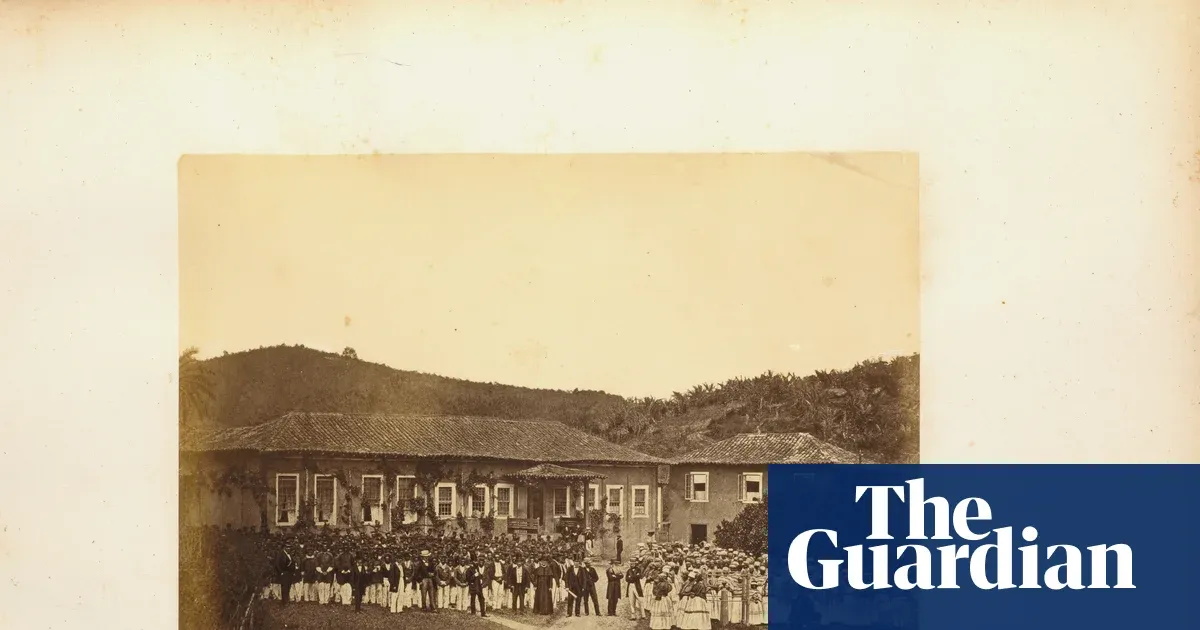
In 1845, despite legal prohibitions on British citizens and companies owning or buying enslaved people overseas, 385 captives were "transferred" to the British mining company St John d’El Rey in Brazil. The people were not sold but "rented" under the 1843 Slave Trade Act, which allowed a maximum term of 14 years; they should have been freed at the end of that period, but they were not.
The British ambassador learned of the case yet, citing a lack of evidence, looked the other way, and it was only after more than 30 years—when a Brazilian abolitionist exposed the scandal—that 123 survivors were finally freed in 1879; the vast majority had died in captivity.
Historian Joseph Mulhern calls the episode one of the most notorious examples of British involvement in illegal enslavement in Brazil, and a stark symbol of how, even after the 1833 Slavery Abolition Act, British citizens and companies profited from slavery there for another half century.
Brazil
british companies, brazilian slavery, st john, mining company, slave rental, slave trade, abolition act, captives transferred, british ambassador, joseph mulhern