
BYD Surpasses Tesla in Fully Electric Vehicle Deliveries in 2025
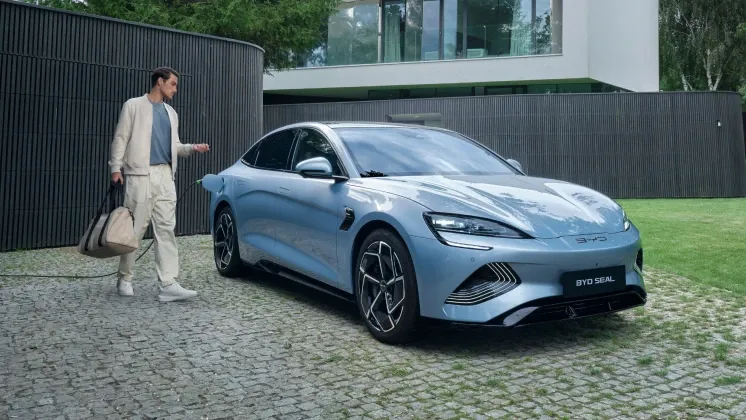
China’s BYD overtook Elon Musk’s Tesla in deliveries of fully electric vehicles in 2025, marking a notable shift in the electric vehicle market. The change reflects a competitive reshaping of leadership among major automakers focused on battery-electric models.
The milestone is defined by the count of fully electric units delivered to customers during the year. In that measure, BYD delivered more fully electric models than Tesla in 2025, and Tesla subsequently lost its position as the top deliverer of fully electric vehicles.
The result highlights the evolving nature of the EV sector, where market positions can change as manufacturers scale production, adjust model lineups, and respond to regional demand. BYD’s performance in 2025 signals that rival manufacturers can close gaps with established incumbents in the fully electric segment.
For Tesla, a company closely associated with its CEO and often regarded as an early and persistent leader in the electric vehicle space, the shift will likely prompt internal review of strategy and operations related to product planning, manufacturing capacity and customer delivery processes.
For BYD, the development will be viewed as validation of its approach in the fully electric market. The company’s deliveries in 2025 placed it ahead of Tesla under the metric of fully electric units delivered, a noteworthy competitive achievement that may influence its brand positioning and market outreach efforts.
Industry observers say such changes in leadership are symptomatic of a maturing EV market. As more manufacturers invest in battery-electric technology, leadership in deliveries can depend on a range of operational and commercial factors, including supply chain resilience, factory output, model availability and regional sales performance.
Analysts and market participants will be watching subsequent reporting periods to see whether BYD’s lead is sustained and how Tesla responds. Both companies are sizable players in the broader automotive industry, and shifts between them can reverberate across supplier networks and regional markets.
The distinction that led to BYD’s advantage in 2025 was specifically tied to fully electric vehicles. Market comparisons that include plug-in hybrids, traditional internal combustion models or other vehicle types may present different pictures of overall production and delivery rankings. The 2025 outcome centers on the fully electric category.
The development also underscores the importance of clear metrics when comparing manufacturers. Deliveries, production, registrations and sales are related but distinct measures. In this case, the comparison referenced deliveries of fully electric models in 2025.
Companies in the EV sector typically balance near-term delivery objectives with longer-term investments in technology, charging infrastructure, and software. A year-to-year lead in fully electric deliveries may influence near-term reputation and customer perception, while longer-term success will hinge on sustained execution across product and operational fronts.
Moving forward, stakeholders, including customers, suppliers and investors, are likely to follow how both companies position themselves in response. For Tesla, the event could lead to renewed emphasis on competitive differentiation. For BYD, it represents a public marker of progress in the fully electric category.
As the electric vehicle market continues to develop, comparisons based on specific segments or metrics will remain important for understanding competitive dynamics. The 2025 deliveries metric provides one such snapshot, showing how leadership in the fully electric segment shifted from Tesla to BYD in that year.
Key Topics
Byd Overtakes Tesla In Deliveries, Fully Electric Vehicle Deliveries 2025, Battery-electric Vehicle Market, Ev Market Leadership Shift, Tesla Strategic Response, Byd Market Positioning, Ev Manufacturing Capacity, Supply Chain Resilience In Evs, Regional Electric Vehicle Demand, Ev Model Lineup Strategy, Deliveries Versus Production Versus Registrations, Electric Vehicle Market Maturity, Charging Infrastructure And Software