
ByteDance splits TikTok into U.S. and global units to preserve U.S. access
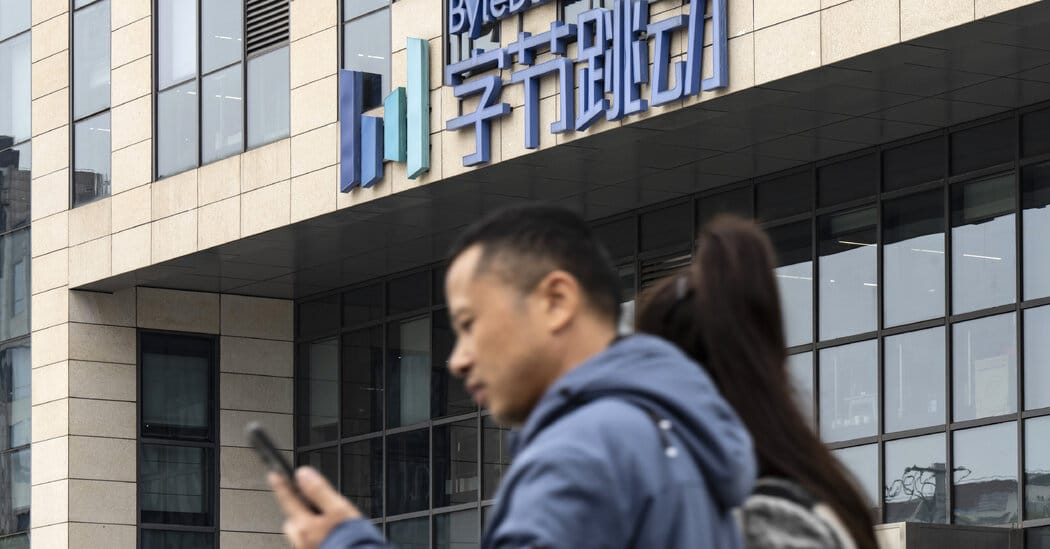
On Jan. 23, 2026, ByteDance officially split TikTok into separate entities for the United States and the rest of the world — a move the article said marked a final capitulation for the app’s survival in the United States after a six-year fight. The outcome highlights the dilemma facing Chinese technology firms: operate in the United States amid shifting geopolitical fault lines, legal battles and mistrust, or pursue other international markets and avoid the U.S.
altogether. Some companies have tried to make themselves more palatable to American officials and investors by moving headquarters to places like Singapore, spending heavily on marketing, or blocking access to users in China. The article cites the A.I. start-up Manus as an example.
Manus moved its headquarters to Singapore, made its products inaccessible in China, and drew Silicon Valley interest before Meta’s reported $2 billion acquisition; days later, the Chinese government said it was investigating whether the deal violated laws on technology exports and outbound investment.
The piece also notes that China amended export rules in 2020 to include a range of software technologies and to give the government authority over deals involving licensing of TikTok’s technology. Companies are also shifting focus to other large markets. The article says Meituan announced plans to spend $1 billion to set up operations in Brazil and has expanded in Saudi Arabia, Shein moved its headquarters to Singapore in 2022 and lost a U.S.
Key Topics
Business, Tiktok, Bytedance, Singapore, Manus, Shein