
Cairn and Peak recreate the tension of mountain climbing in video games
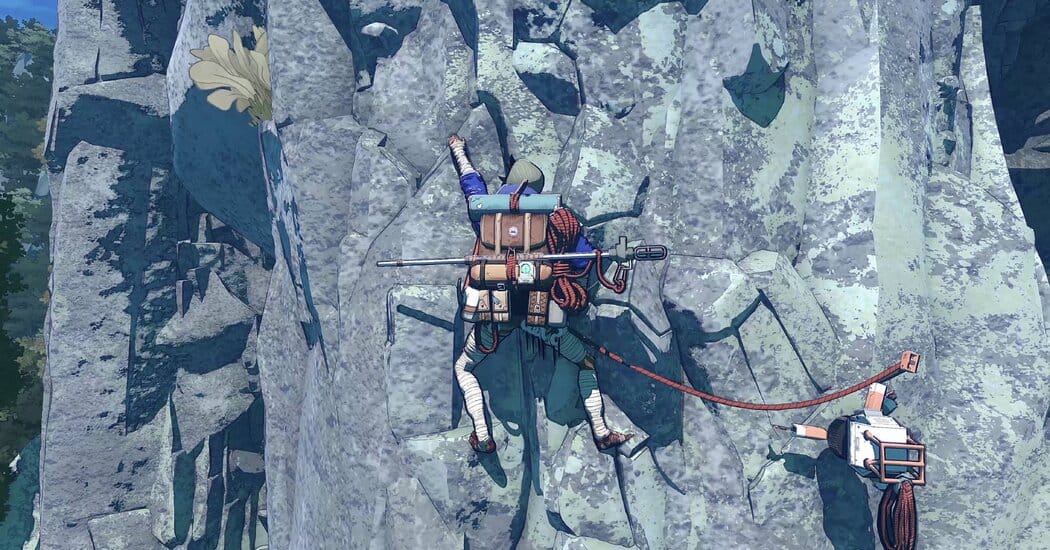
Cairn and Peak are recent video games that aim to capture the physical and emotional tension of climbing; Cairn, developed in Montpellier, France, releases this week for PC and PlayStation 5 and began development in 2020, the article says. Cairn uses a free-form movement system driven by mathematical calculations that constantly evaluate the protagonist Aava’s physiological stress and which limb she is likely to move next.
The game’s creative director, Emeric Thoa, says the systems summon the fluidity of high-level alpinism, with audible cadence in each methodical button press and the risk that Aava will tumble if a path exceeds her capabilities. The game’s gigantic massif, a fictional Mount Kami, was hand-sculpted and hand-placed by level designers and artists.
Peak, which sold more than 10 million copies last year, takes a different approach: its multiple summits are procedurally generated rather than handcrafted. Petter Henriksson, a designer on Peak, says the team was inspired by The Legend of Zelda: Breath of the Wild and wanted routes that force players to be smart about finding a path and produce moments of real doubt and triumph.
Peak can be played cooperatively online, and its rock formations are deliberately lumpier and bumpier than real-world stone. The climbing genre now includes Death Stranding, Jusant, Lorn’s Lure and White Knuckle, offering varied tones from poetic to bleak.
cairn game, cairn release date, aava physiological stress, mount kami hand-sculpted, emeric thoa, peak game, procedurally generated summits, peak cooperative online, petter henriksson, death stranding climbing, jusant poetic alpinism