
Cameroon works to preserve malaria program after U.S. funding cut
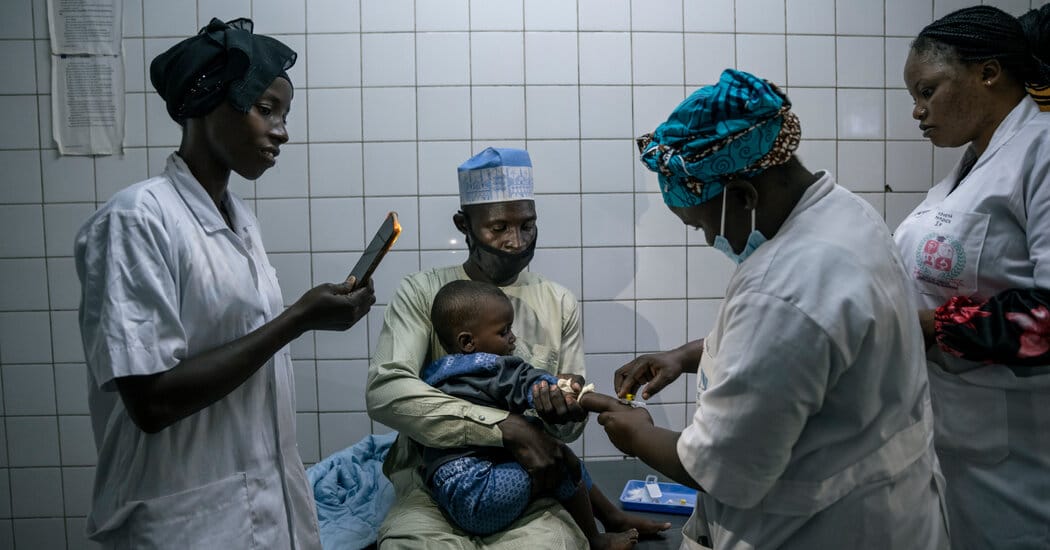
Health officials and local workers in northern Cameroon scrambled to keep a lifesaving malaria program running after much U.S. assistance was cut in February, leaving supplies such as injectable artesunate scarce in the region around Maroua. A 3-year-old, Mohammadou, received artesunate and recovered after traveling to a hospital where the drug was still available.
The U.S. President’s Malaria Initiative, known as P.M.I., began supporting Cameroon in 2017 and helped reduce malaria deaths in the far north by almost 60 percent from 2017 to 2024 by supplying bed nets, chemoprevention for children, training more than 2,000 community health workers and funding a supply chain that reached remote villages.
In February, the Trump administration shut down much of the program, saying most foreign aid was wasted, and the supply of artesunate dwindled; P.M.I. had already ordered medicines for 2025 that were in the country but the U.S. distribution support was gone. Local officials and groups worked to fill gaps: GiveWell provided emergency funds to distribute chemoprevention before the rainy season, some health workers continued unpaid, and Washington approved enough funding to finish 2025 by routing money through an HIV program because the regular malaria channel no longer existed.
Key Topics
Health, President's Malaria Initiative, Cameroon, Maroua, Artesunate, Givewell