
Caves of Qud co-creator wants games to use untapped CPU and network power
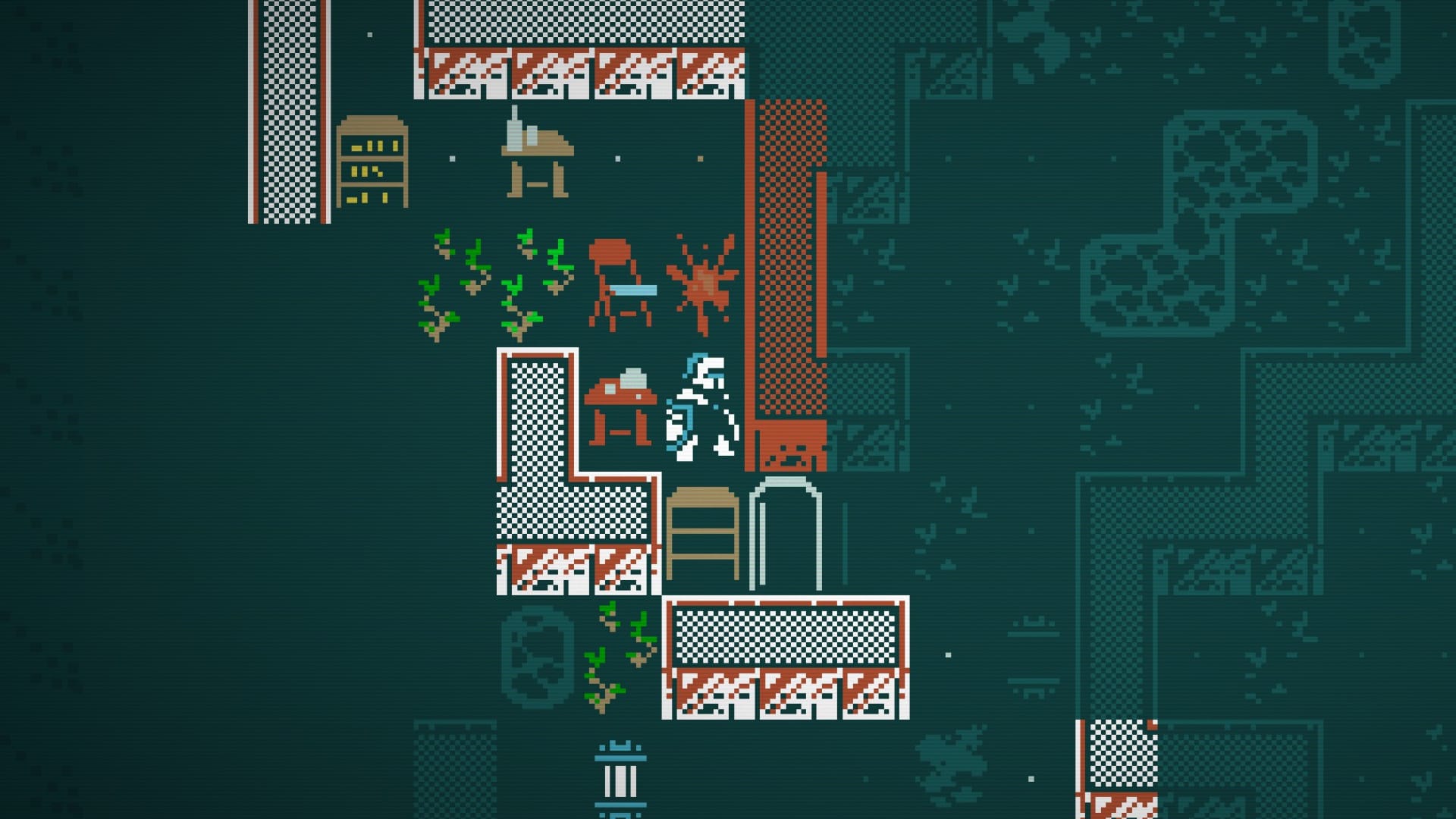
Caves of Qud simulates a surreal science-future where characters can sprout new limbs, apes and crabs have shifting reputational dynamics, and a concrete wall can gain personhood through items that grant sentience. Its systems-heavy procedural generation and simulations produce situations that can’t be pre-baked.
Bucklew says even that level of simulation only scratches the surface of modern hardware’s processing and networking capability. "I think games haven't really—at least in the triple-A space—caught up with how powerful both compute and network have gotten," he said.
"A lot of games are still one megabit games... What happens if you saturate that with gameplay?" He pointed out that many titles push GPUs hard while leaving "huge CPUs that can do 32 hyperthreaded threads" underused. Big-budget games often pre-calculate complexity during design so runtime presentation is lightweight, whereas procedural worlds—from Minecraft to Dwarf Fortress to Caves of Qud—ask the CPU to solve novel interactions on the fly.
procedural generation, procedural worlds, simulation, cpu, gpu, compute power, network power, triple-a, minecraft, dwarf fortress