
China’s parliament to approve ‘ethnic unity’ law
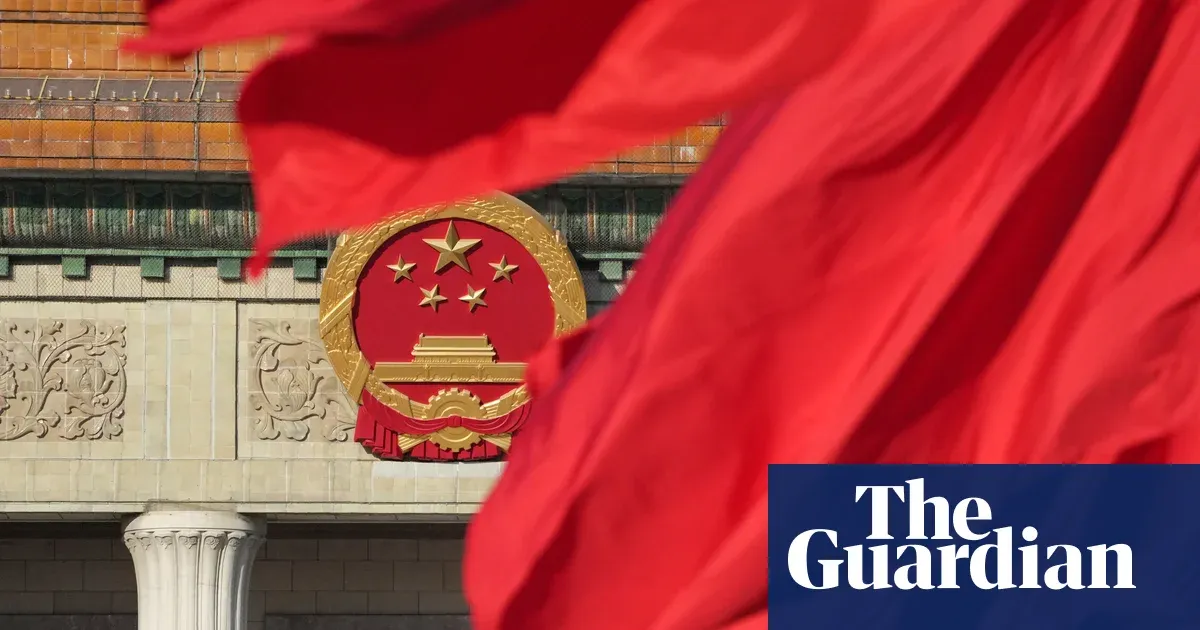
China’s National People’s Congress will vote on Thursday on a suite of laws agreed at this year’s two sessions, including legislation that will diminish the role of minority ethnic languages in the education system. Delegates are expected to approve an ethnic unity law, a new environmental code and the 15th five-year plan.
The NPC, often described as a rubber-stamp parliament, has never rejected an item on its agenda. The votes come as the concurrent meetings draw to a close. The most prominent announcement at the gathering was a historically low 2026 GDP growth target of 4.5%, set out by Premier Li Qiang on 5 March — the lowest in decades and a reflection of shifting priorities and a difficult domestic economic situation.
Beyond economic targets, the NPC is the forum in which Beijing’s policies become law. A central aim of the ethnic unity law is the sinicisation of ethnic minorities.
China
china, npc, ethnic unity, sinicisation, minority languages, education system, five-year plan, environmental code, li qiang, gdp growth