
Commodore 64 Ultimate Recreates Classic Machine for Dedicated Enthusiasts
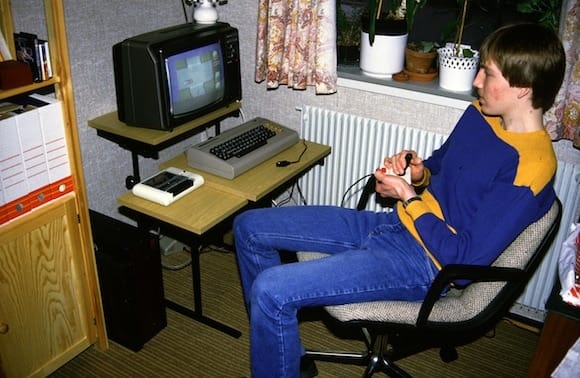
The Commodore 64 Ultimate is a near‑faithful hardware recreation of the original Commodore 64, presented by the revived Commodore International as a product aimed squarely at enthusiasts and collectors. It reproduces the look, feel and many limitations of the 1982 home computer while adding a handful of modern conveniences intended to make the system usable with contemporary displays and networks.
The original Commodore 64, launched in 1982, became the best‑selling personal computer of its era. Commodore International ceased operations in 1994, and the brand changed hands several times afterward. The new effort to recreate the machine was led by retro gaming YouTuber Christian “Peri Fractic” Simpson, who acquired the company and oversaw development of the Commodore 64 Ultimate.
At its core the C64 Ultimate uses a field programmable gate array (FPGA) to replicate the original hardware. This approach aims to reproduce the behaviour of the original chipset at a hardware level rather than relying on software emulation. The device runs on an AMD Xilinx Artix‑7 FPGA and includes 128 MB of DDR2 RAM, compared with the 64 KB of the original machine. The base configuration replicates original performance, but users can enable a virtualized RAM Expansion Unit or a "Turbo Boost" that increases clock speed to 64 MHz.
Physically, the C64 Ultimate closely mirrors the original wedge‑shaped, all‑in‑one design. It is available in the classic beige finish and a transparent “Starlight” edition with RGB lighting; an early limited golden "Founder’s Edition" was also offered. The unit recreates the original keyboard, key shapes and colour palette, and it includes a wide array of physical connectors that allow owners to attach authentic peripherals such as legacy joysticks and datasette drives.
At the same time, the device incorporates modern ports and connectivity. There are two USB‑A ports, an Ethernet jack and onboard Wi‑Fi, alongside HDMI output. Each unit ships with a cassette‑shaped USB drive pre‑loaded with games, software demos, music demonstrating the C64’s audio capabilities, and GEOS, a graphical operating environment. The system retains the option to connect to a CRT display, preserving compatibility with original video standards.
These modern additions are deliberately limited. Some physical labels on the casing, such as "H‑L," "RF" and "USER PORT," remain as they were on the original, even where modern connectors sit behind them. Despite the presence of USB ports, the C64 Ultimate does not support contemporary mice; users either need a period‑compatible pointing device or must map WASD keys to act as a virtual joystick for cursor control. The design choices indicate a strong focus on authenticity, sometimes at the expense of convenience.
The software experience follows the same principle of fidelity. On boot, the C64 Ultimate presents a re‑creation of the original C64 menu and supports programming in BASIC. For owners unfamiliar with BASIC, the product includes a 273‑page spiral‑bound user guide tailored to the C64 Ultimate. The manual combines historical context and detailed instructions on the system’s unique features, guiding users from basic commands toward coding on the device.
For those who prefer a more conventional GUI, the included GEOS environment provides a desktop‑style experience with folders and icons. GEOS is accessible from the C64U menu and is likely the most approachable option for users who did not experience the original machine. However, the GEOS workflow still reflects its era: applications often must be mounted and loaded into the OS before they can be run, and some operations—such as creating new documents in bundled apps—can fail without clear diagnostic feedback.
The system also reproduces the original loading behaviour of games and software. The USB drive includes a library of classic and retro‑style titles, and the system accepts disk images for additional software. Users can switch between PAL and NTSC video modes because some titles require a particular standard to function correctly. An internal speaker reproduces tape and disk drive sounds during loading, underscoring the emphasis on authentic presentation. That fidelity also extends to load times: copying the original hardware’s slow disk‑ and tape‑based loading can mean multi‑minute waits for games and applications.
The Commodore 64 Ultimate positions itself as a “digital detox” product, framing its deliberately pared‑back and distraction‑free experience as an alternative to modern operating systems that include pervasive notifications and integrated advertising. That stance will likely appeal to some users but will be a deterrent to others. The device demands patience and a willingness to engage with old workflows; those without nostalgia for the original platform or curiosity about retro computing may find the learning curve steep.
Ultimately, the C64 Ultimate is presented as a faithful, carefully crafted homage to a landmark machine. Its combination of FPGA‑based hardware replication, authentic physical design and a comprehensive printed manual makes it an exceptional piece of retro hardware. For hardcore enthusiasts and collectors seeking something close to the original Commodore 64 experience, it will be an attractive option. For users seeking a modern, streamlined retro gaming console or a fast, convenient desktop experience, emulation‑focused products or earlier re‑creations that prioritise convenience may remain the better choice.
Key Topics
Commodore 64 Ultimate, Fpga-based Hardware Recreation, Amd Xilinx Artix-7, Retro Computing Enthusiasts, Geos Operating Environment, Basic Programming Support, Starlight Transparent Edition, Founder's Edition, Cassette-shaped Usb Drive, Pal And Ntsc Video Modes, Legacy Peripheral Support, Digital Detox Retro Experience, Turbo Boost Clock Speed, Virtual Ram Expansion Unit