
How Corporate Impact Is Shifting From Headline Commitments to Business Strategy
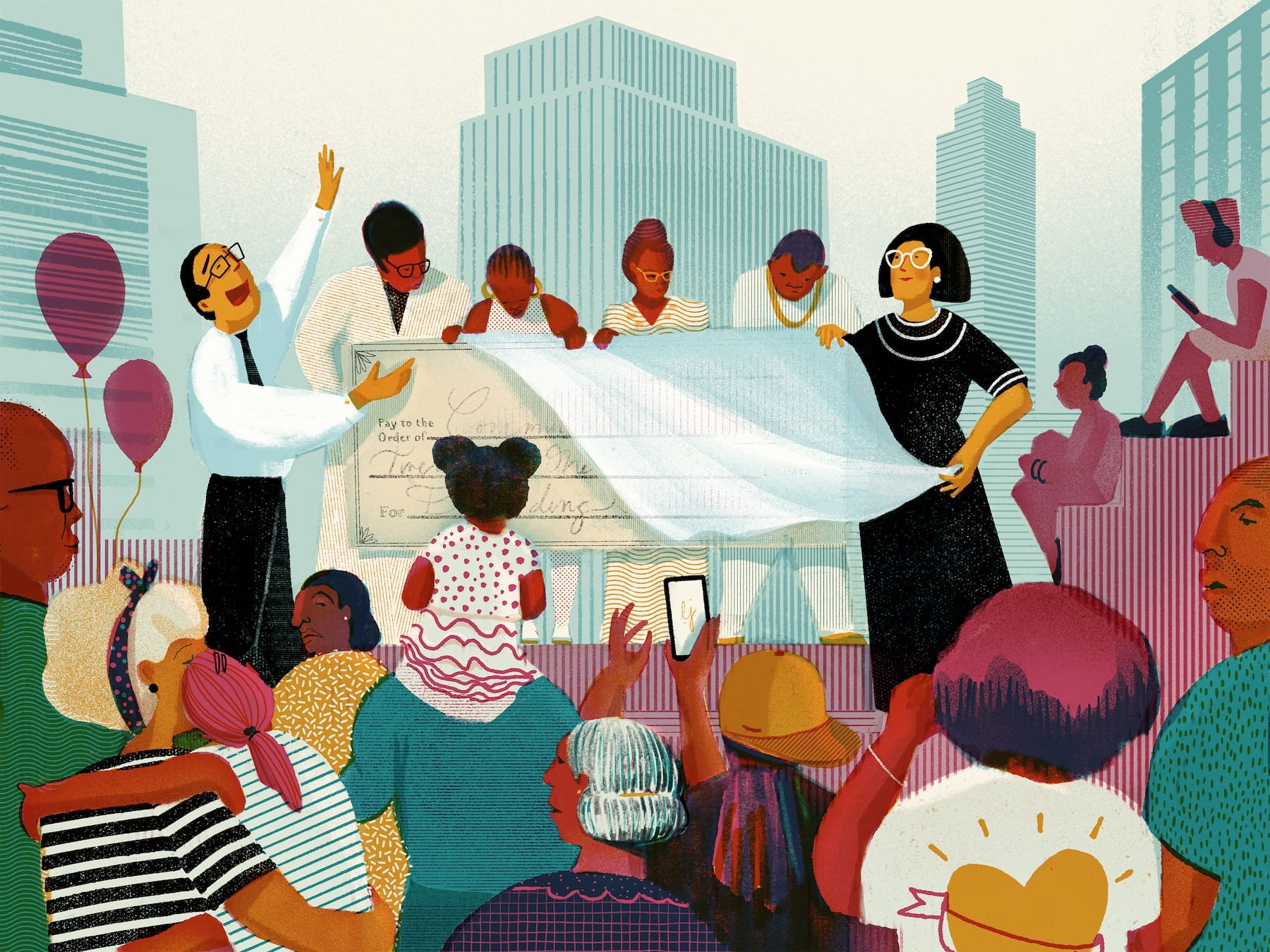
Corporate social impact has moved beyond the era of splashy announcements and broad public declarations. What began with high-profile commitments from major business groups has evolved into a more strategic, business-aligned practice that companies intend to sustain over the long term.
Public momentum for corporate purpose accelerated after a 2019 statement by the Business Roundtable that reframed companies’ purpose to include employees, customers, communities and the planet alongside shareholders. That moment helped launch a new phase of corporate impact work, drawing broad attention from business leaders and the public.
Since then, the context around corporate impact has shifted. Political pressure, scrutiny from shareholder activists and state attorneys general, and changing economic conditions have altered how companies talk about and resource impact programs. Some leaders have adjusted messaging and reduced budgets in response to those pressures.
Despite that, corporate impact is not retreating. Interviews and conversations with hundreds of C-level executives and senior impact leaders indicate the work is continuing and adapting. Many companies have shifted their approach, aligning social investments more directly with core business priorities rather than relying on public relations value alone.
Concrete data support that view. A mid-2025 survey of 135 companies found that 82% of businesses either maintained or increased their grantmaking budgets for the year, while 18% reported declines. That pattern suggests that, for most companies, funding for impact activities remains a priority.
Leaders point to practical reasons for sustaining impact programs: investing in local communities helps the places where companies operate, employees expect and value it, and customers and local governments often regard it favorably. In short, impact can be good business.
A defining trend is the increasing emphasis on tying impact to the bottom line. Boards and executive teams now seek clearer evidence that impact investments generate measurable business value. That demand has pushed corporate impact teams to refine strategy, targets and metrics so their work can be evaluated alongside other business activities.
Companies are demonstrating the business case for impact in several ways:
- Improving employee engagement and retention by investing in workforce development and local talent pipelines.
- Enhancing brand reputation and customer loyalty through demonstrable community commitments.
- Using in-kind support or product-focused investments as loss leaders that build market demand and create revenue opportunities.
- Highlighting community investments in bids and pitches to appeal to government and corporate customers who value those commitments.
These approaches show how impact programs can be structured to support growth and operational needs. For example, workforce development initiatives help companies access talent with the skills required in a rapidly changing, AI-influenced labor market. Similarly, targeted product demonstrations or donations during times of community need can create durable market opportunities.
Another clear shift is toward place-based impact. Corporate impact leaders are focusing on specific towns, cities or regions that matter most strategically—locations that host major facilities, research centers or concentrations of their workforce. This concentrated approach allows companies to pursue deeper systems change rather than spreading resources thinly across many causes.
Place-based strategies also make it easier to coordinate long-term commitments and measure outcomes over time. When companies concentrate resources in defined geographies, they can leverage local partnerships, align with municipal priorities and catalyze other funders and organizations to join sustained efforts.
Collaboration and collective action are growing in importance as well. Impact leaders increasingly recognize that meaningful, system-level progress requires working with others. Partnerships allow companies to combine expertise, data, capabilities and resources, and they create a degree of shared responsibility that can mitigate reputational and operational risks.
Structural challenges remain: executive turnover, changing CEO preferences, budget cycles and brand considerations can complicate long-term cross-sector collaboration. Still, many corporate impact teams are investing time to build multi-player partnerships because of the potential for greater scale and reduced exposure.
As corporate impact work matures, it is becoming more pragmatic and integrated with business strategy. By focusing on measurable business outcomes, concentrating efforts geographically and engaging in collective action, companies are positioning impact programs as durable elements of corporate strategy rather than episodic public relations efforts.
That evolution suggests corporate impact is likely to persist. When impact initiatives demonstrably support both community outcomes and corporate objectives, they attract sustained resourcing and become more resilient to shifting political and economic winds. For that reason, many impact leaders expect the field to continue evolving and remain a fixture of corporate practice for years to come.
Key Topics
Corporate Social Impact, Business-aligned Impact, Business Roundtable 2019 Statement, Place-based Impact, Impact Metrics And Measurement, Workforce Development And Talent Pipelines, Employee Engagement And Retention, Community Investment Strategies, In-kind Support And Product-focused Investments, Collective Action And Partnerships, Corporate Grantmaking Trends, Brand Reputation And Customer Loyalty, Shareholder Activism And Political Pressure, Impact Integration With Business Strategy