
Costa Rica votes amid insecurity and fears of authoritarian turn
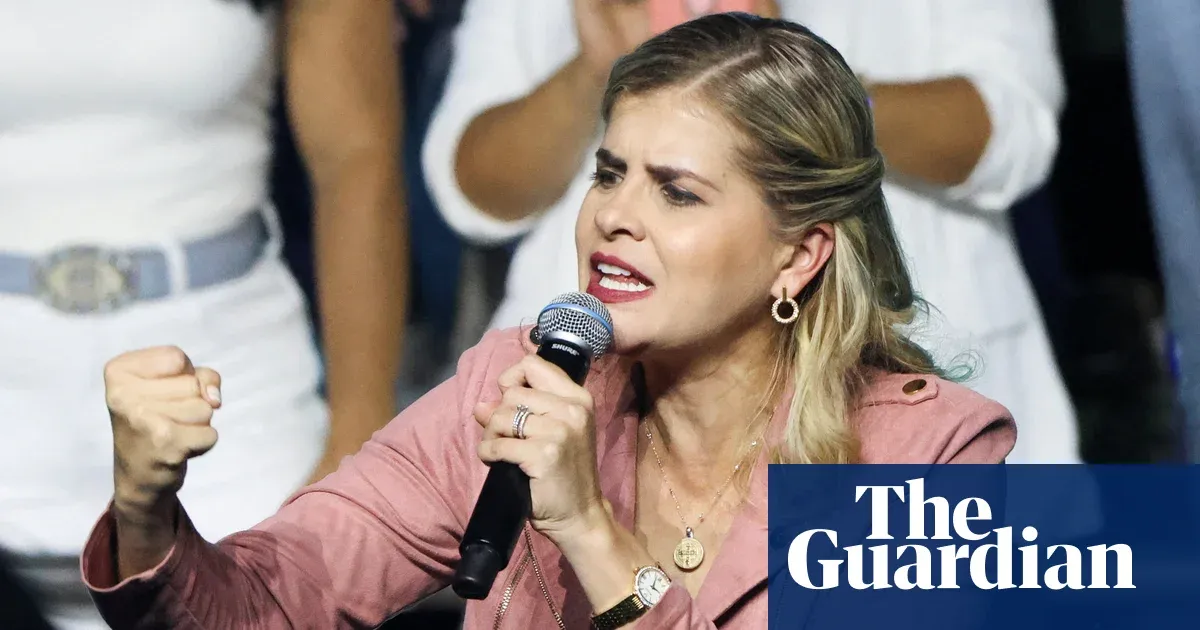
Costa Rica heads to the polls on Sunday to elect a president and 57 members of congress after a campaign dominated by rising insecurity and warnings of an authoritarian turn. President Rodrigo Chaves, who could not run again under the constitution, looms over the race; his handpicked candidate, Laura Fernández, 37, leads recent polls at about 40% — enough to secure a possible first-round win.
Crime is a major concern as criminal groups fight to control cocaine trafficking routes to Europe and the US, casting a shadow over the country famous for its wildlife tourism. Costa Rica's homicide rate is 16.7 per 100,000, the third highest in Central America. Authorities last year dismantled the "South Caribbean Cartel" and a former security minister was arrested on US drug‑trafficking charges.
The campaign has centred on Chaves, a polarising figure who upended the political system after a 2022 victory, and who has clashed with institutions while seeking to boost the economy with mixed results. Courts sought to prosecute Chaves on charges of corruption and meddling in the coming election, but congress blocked attempts to strip him of presidential immunity; Fernández has said she would name Chaves to her cabinet, which would allow him to retain immunity.
Opposition parties are fragmented, with no candidate exceeding 10% in polls and roughly a third of voters still undecided.
costa rica election, rodrigo chaves, laura fernández, costa rican congress, south caribbean cartel, cocaine trafficking routes, homicide rate 16.7, presidential immunity, state of exception, first-round win, nayib bukele, terrorism confinement center