
Crimson Desert mimics Breath of the Wild’s systems but lacks its world
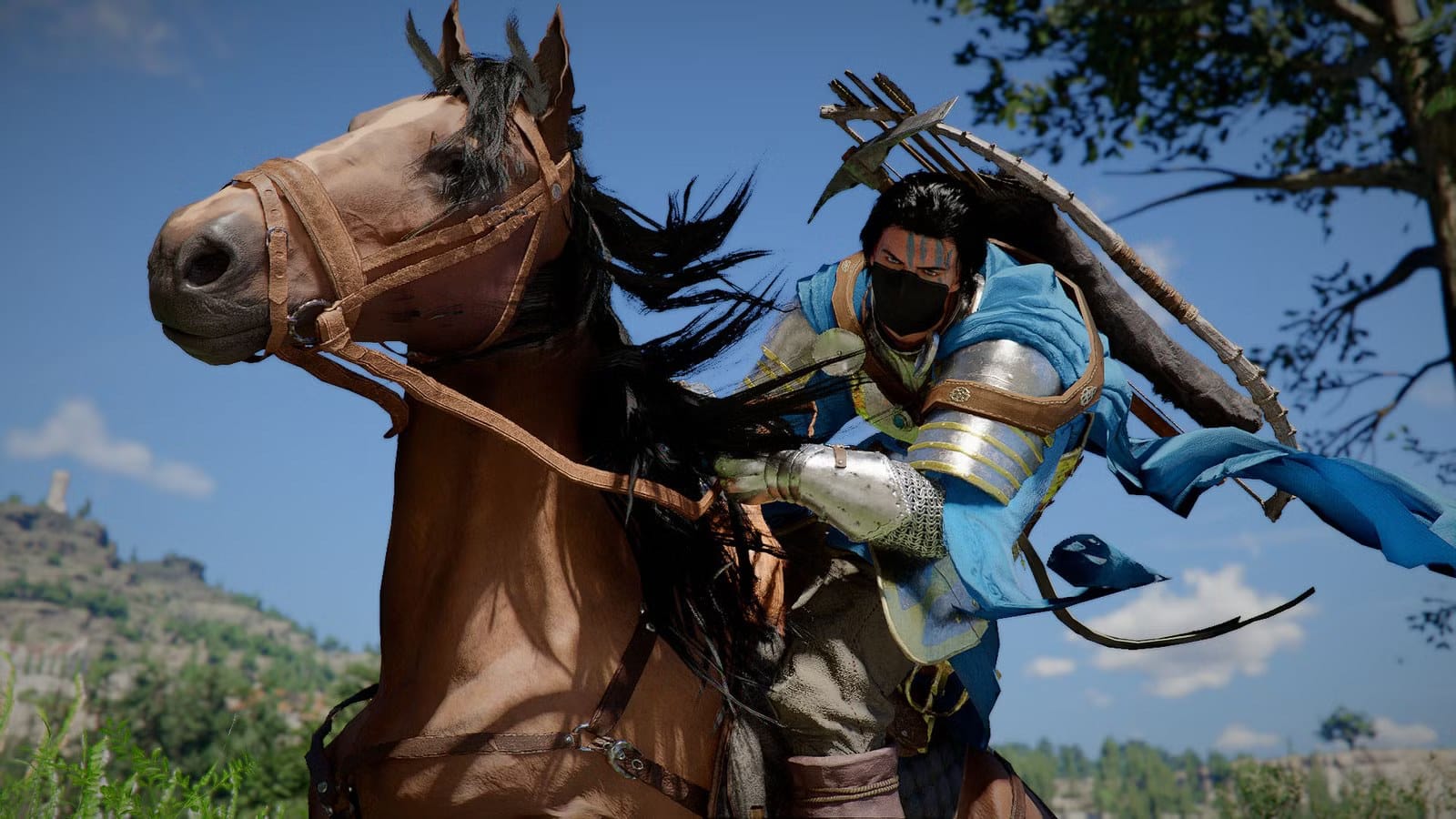
Crimson Desert invites near-constant comparison with other big open-world games: its map design echoes Red Dead Redemption 2, its combat and detail call to mind Assassin’s Creed, and within minutes the influence of The Legend of Zelda: Breath of the Wild is unmistakable.
The game borrows many of the structure’s hallmarks — a sprawling map, tools that double as exploration abilities, and a design meant to reward curiosity — but often treats those elements as technical feats rather than as parts of a lived-in world. One early example is the Axiom Force, a grappling-magnet tool that mirrors Link’s Magnesis but is also tuned for combat.
It quickly becomes a reflexive toy for pulling objects and enemies into flashy moves, yet outside of fights it rarely opens up surprising interactions. The map’s mysteries are highlighted with large question marks, and many of those markers lead to abyss cressets: fast-travel stations that function like Breath of the Wild’s shrines but lack the puzzles’ sense of mystery or cultural weight.
crimson desert, zelda, axiom force, magnesis, abyss cressets, shrines, fast-travel, open-world, map design, combat