
Dallas rug maker endured first year of tariffs but faces new uncertainties
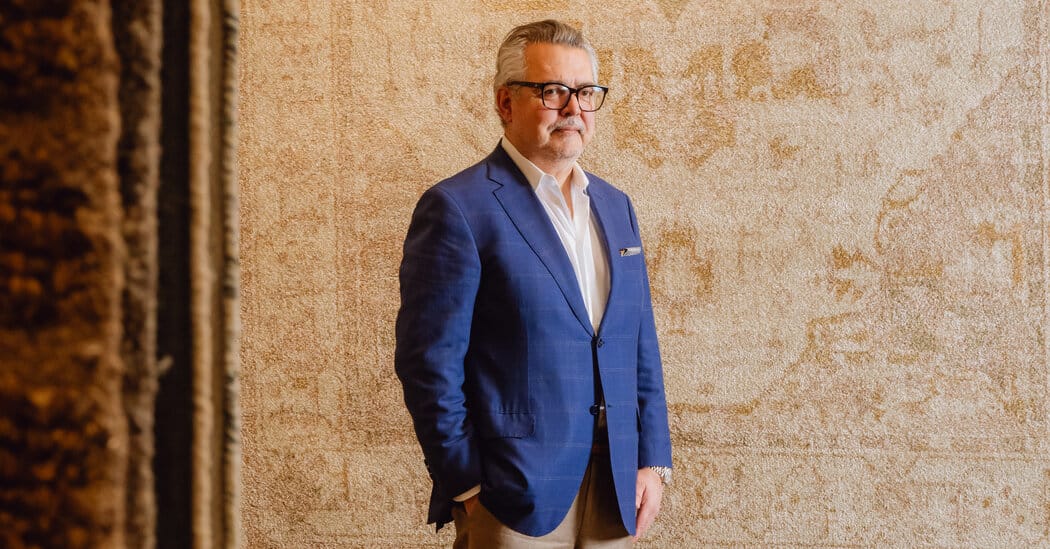
Loloi, a family-run rug and textile company based in Dallas, stockpiled inventory before President Trump’s tariff campaign began in early April and managed to withstand the first year, but its pre-tariff stock is running low and new challenges loom, the New York Times reports. The company’s tariff bill swelled 80 percent last year compared with 2024, and Loloi paused plans for some new items because tariffs made them too expensive.
Executives negotiated favorable deals with long-standing manufacturers in India and relied on pre-tariff goods to limit price increases for retail and design customers to between 3 and 17 percent, while taking a modest hit to profit margins. Loloi could not easily move production because many of its rugs require large technical looms and weaving expertise predominantly found in India, and the United States lacks the required machinery and specially trained weavers.
When Mr. Trump announced in August that he would double tariffs on India to 50 percent — a move the administration said was to punish India for buying oil from Russia — Amir Loloi flew to India and agreed to keep orders flowing in exchange for moderate discounts so artisans would not leave the trade.
The company, which has about 750 workers and has expanded marketing through collaborations with designers such as Joanna Gaines and Amber Lewis and a direct-to-consumer brand, Joon Loloi, says it was in a better position than many competitors.
loloi, amir loloi, steven loloi, cyrus loloi, joon loloi, joanna gaines collaboration, amber lewis collaboration, dallas rug maker, stockpiled inventory, tariffs on india, 50 percent tariffs, tariff bill 80 percent, pre-tariff goods, weaving expertise india, technical looms india, imports from india, manufacturers in india, hand-knotted rugs, paused new items, 3 to 17 percent price increases, supreme court tariff ruling, direct-to-consumer brand, home furnishings collaborations, retail and design customers