
DLSS 5 reshapes character looks despite Nvidia saying devs retain control
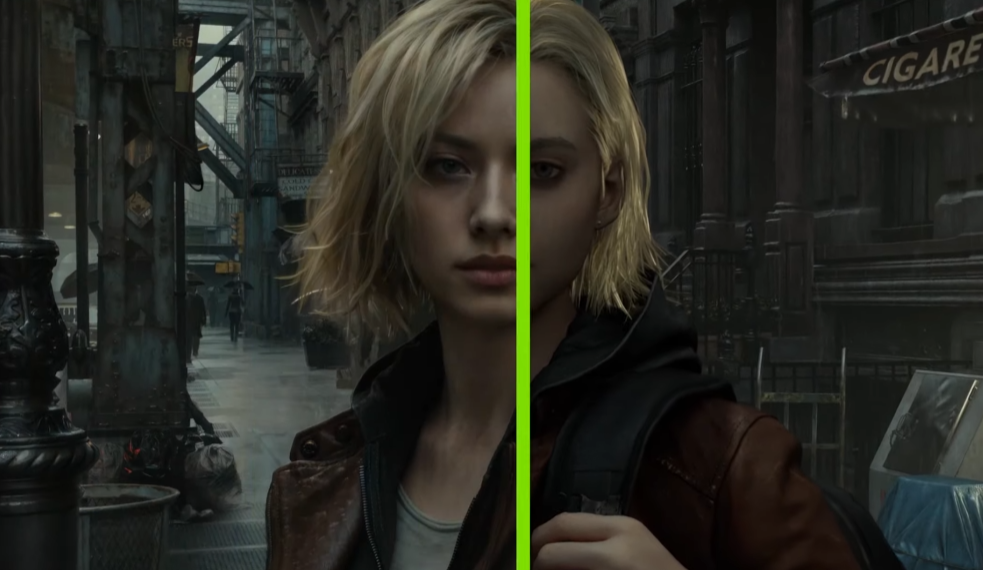
Nvidia unveiled DLSS 5 as a system that uses "3D-guided neural rendering" to transform real-time graphics, adding a photoreal sheen to games like Resident Evil: Requiem and Hogwarts Legacy. With DLSS 5, the company has moved from subtle upscaling toward actively overwriting original graphics to enhance—or, as some observers put it, ruin—their appearance.
Nvidia CEO Jen-Hsun Huang said the generative AI is "controlled perfectly" by the structured data provided by the 3D renderer, and Nvidia's Jacob Freeman said developers "have artistic control over DLSS 5's effects to ensure they maintain their game's aesthetic." Even so, Nvidia's own demonstration alters source material in ways that do not always match the underlying 3D models.
One example singled out is Grace Ashcroft's face, which gains fuller lips and sharper cheek bones in the transformation, a change the article describes as demonstrating an apparent bias for a certain beauty standard.
dlss 5, nvidia, neural rendering, generative ai, upscaling, artistic control, resident evil, hogwarts legacy, grace ashcroft, beauty bias