
Documents show Assad regime conspired to hide torture and detainee deaths
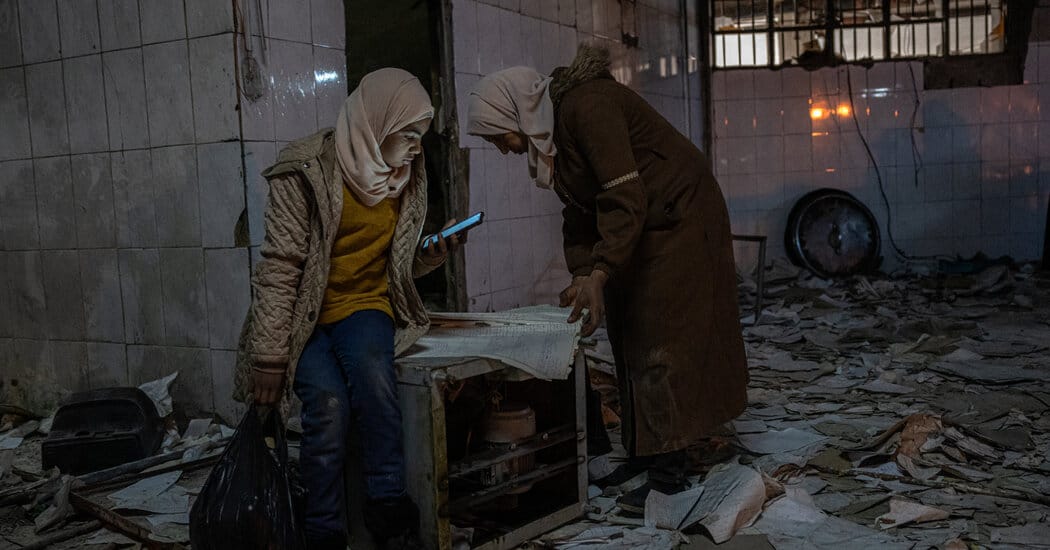
A year after rebels toppled the Assad dictatorship, The New York Times documented how Bashar al-Assad and senior security officials conspired to conceal evidence of torture and the deaths of detainees in Syria’s secret prisons.
The Times reviewed thousands of pages of internal government documents, including memos marked “top secret,” and interviewed more than 50 security and political officials, interrogators, prison guards, forensic doctors and mass grave workers. The material shows the regime shifted from trying to discredit early reports of abuse to actively erasing, altering and forging records. The reporting says that from 2019 some agencies omitted identifying information from records, that Branch 248 and the Palestine Branch removed branch and prisoner numbers, and that senior officials ordered backdated false confession statements for those who died in custody. Documents and interviews also describe the transfer of bodies from a mass grave near Qutayfa to a secret desert site outside Damascus, and say interrogators recalled no orders to reduce torture even after 2019 sanctions.
Families continue to seek answers about more than 100,000 people who vanished into the government’s prisons, but The Times reports that the regime’s efforts to alter and remove evidence have obscured many of the clues relatives had hoped the records would provide.
Key Topics
World, Bashar Al-assad, Syria, Sednaya Prison, Qutayfa, Palestine Branch