
Drones detect cetacean morbillivirus in Arctic whales for first time
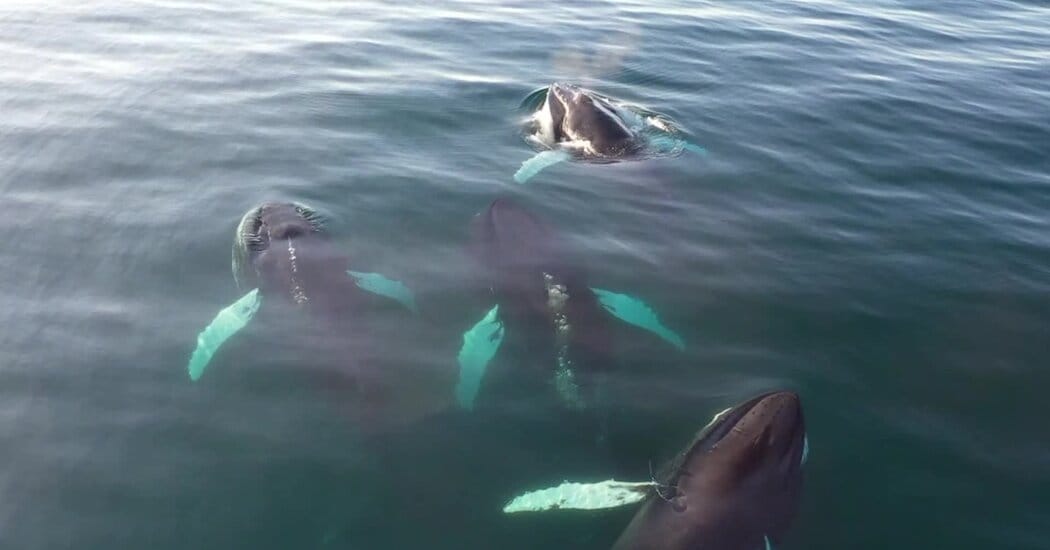
Researchers using drones to sample whale blow in northern seas have, for the first time in Arctic waters, detected cetacean morbillivirus, a highly infectious virus that can be deadly to marine mammals. The study, led by Helena Costa of Nord University and published in mid-December in BMC Veterinary Research, tested more than 50 blow samples collected between 2016 and 2025 from humpback, sperm and fin whales.
Drones equipped with petri dishes were flown above and behind whales’ blowholes to collect the air they exhale. Dr. Costa said, “It’s a little bit crazy that you can collect air from a whale and actually detect something.” Scientists tested samples for four pathogens: cetacean morbillivirus, H5N1 (bird flu), herpesvirus and the bacterium brucella.
Only cetacean morbillivirus was found; H5N1 and brucella were not detected. Cetacean morbillivirus has caused outbreaks in other regions, particularly the North Atlantic and the Mediterranean, affecting respiratory and neurological systems and leading to mass strandings and deaths.
It spreads through direct contact and respiratory droplets and is not always fatal. The samples were gathered along humpback migration routes in northern Norway, Iceland and Cape Verde. Dr. Costa said, “It has never been reported in that area before,” and cautioned that the absence of prior detections may reflect limited surveillance rather than true absence.
Key Topics
Science, United States, Marine, Wildlife, Drones, Infectious Disease, Arctic