
Columnist says embracing the arts could improve health and wellbeing in 2026
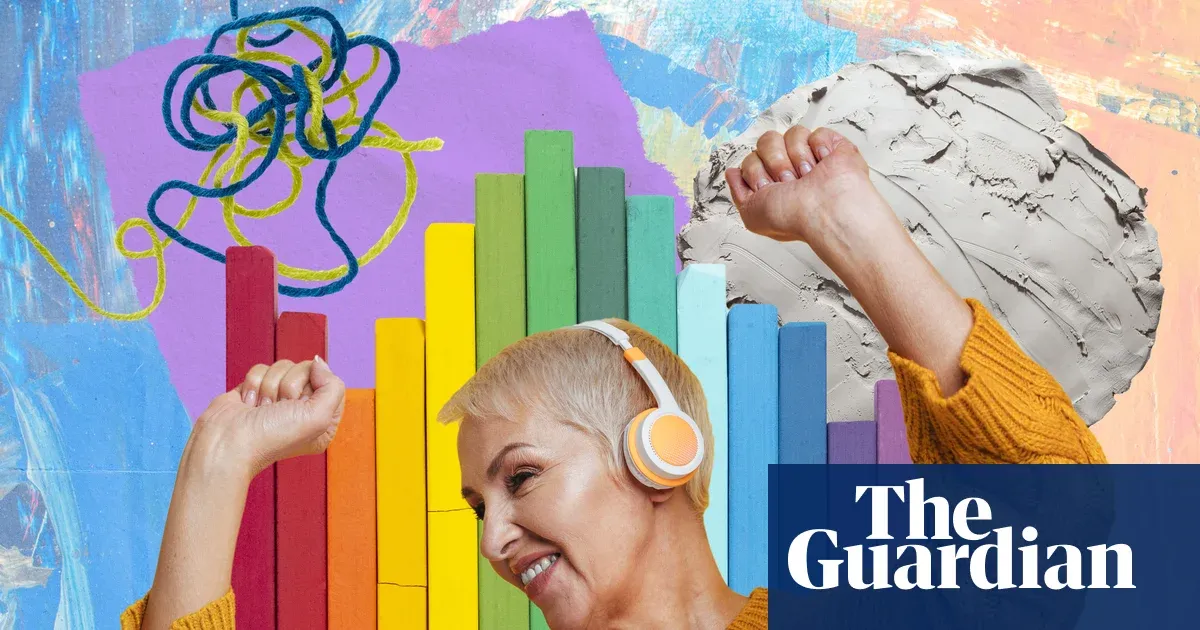
A Guardian columnist argues that people should embrace the arts in 2026, suggesting creative activities can improve mental and physical health and, in some cases, even “save your life.” The piece cites a growing scientific evidence base: randomized trials now number in the triple figures and show regular singing, dancing, reading, crafts and cultural pursuits reduce symptoms of anxiety, depression and stress.
It adds that some studies suggest combining creative arts therapies with antidepressants and counselling can nearly double improvements in depressive symptoms, and that people who regularly attend theatre, concerts, museums or cinema have nearly half the risk of developing depression independent of socio-demographic factors, lifestyle and genetics.
The columnist summarises neuroscientific and physiological findings: arts engagement activates pleasure and reward networks and dopamine, helps meet psychological needs such as autonomy and mastery, aids emotion regulation, and exercises diverse brain regions. Over time this can strengthen connectivity, increase grey matter and build “cognitive reserve,” linked to slower cognitive decline and a lower risk of dementia.
Physical effects cited include stronger respiratory muscles from singing, greater reductions in blood pressure and glucose from dance than from similar exercise, improved immune activity and lower inflammation, and emerging evidence of younger patterns on epigenetic clocks.
Key Topics
Health, Arts, Mental Health, Music Therapy, Cognitive Reserve, Epigenetic Clocks