
F.B.I. Search of Washington Post Reporter Tests 1980 Privacy Protection Act
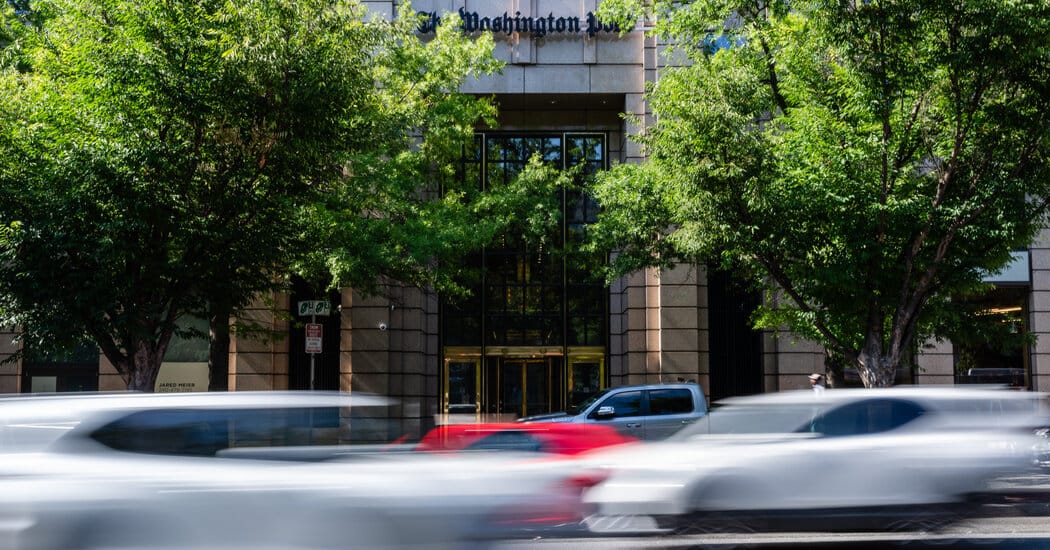
The F.B.I. searched the home of Washington Post reporter Hannah Natanson last week and seized two laptops, a phone and a Garmin watch, a move that observers say may test federal protections for journalists rooted in a 1971 campus newsroom raid and a 1980 law. Attorney General Pam Bondi said in a social media post that the search concerned information provided to Ms.
Natanson by a Pentagon contractor, and The Post reported that neither it nor Ms. Natanson was a focus of the investigation. The Justice Department’s justification for seeking the warrant is sealed. Gabe Rottman of the Reporters Committee for Freedom of the Press said searches of journalists’ homes are rarer than newsroom raids and called this "the first time that a reporter’s home has been raided in connection with a national security media leak case." The episode recalls a 1971 police search of The Stanford Daily newsroom that yielded no unpublished photographs and led to the 1978 Supreme Court decision in Zurcher v.
Stanford Daily rejecting constitutional protection against newsroom searches. That ruling prompted bipartisan anger and the Privacy Protection Act of 1980, which strictly limits search warrants for journalists except when life or limb is at risk or there is probable cause that the reporter committed a crime related to the materials sought; the law adds exceptions for classified information and child sexual abuse material.
Key Topics
Politics, Hannah Natanson, Fbi, Privacy Protection Act, Pam Bondi, Reporters Committee