
Feds say no need to recall Tesla's one-pedal driving despite petition
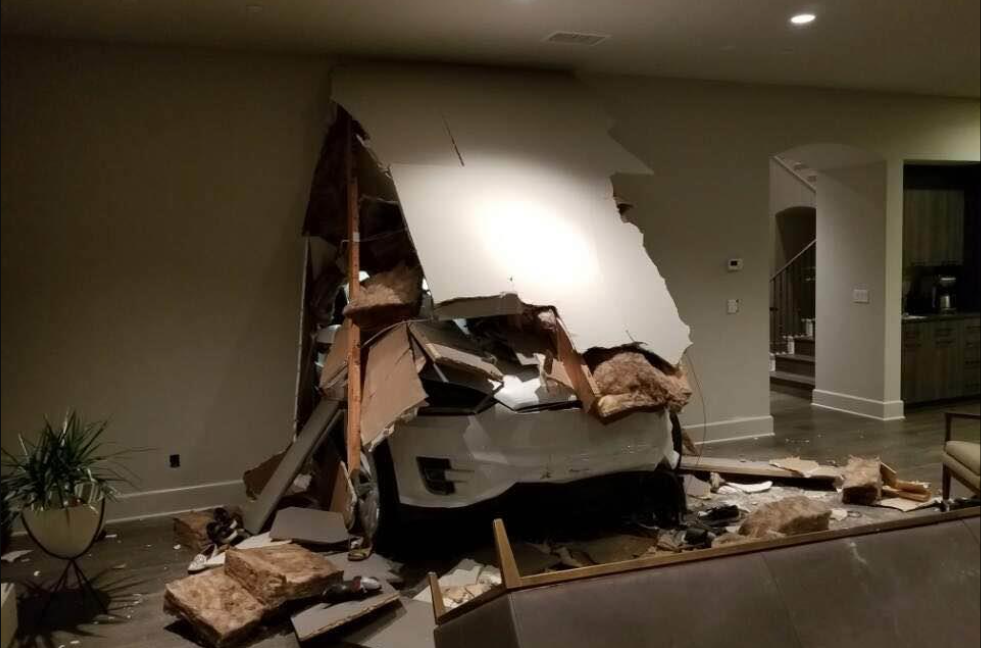
Costas Lakafossis presented NHTSA with a lengthy white paper arguing that repeated patterns in sudden unintended acceleration accidents point to confusing human–system interfaces in modern self-driving cars. He contended that because drivers need not hold the brake when starting a Tesla, a foot can mistakenly fall on the accelerator, which he said explains about 200 incidents where Teslas struck garage walls or parked vehicles.
NHTSA has already concluded those crashes were driver error, and it stands by that finding. One-pedal driving is common across the industry, the agency noted, and it rejected adding the equivalent of a brake transmission interlock to 2.3 million Teslas. NHTSA also expanded a preliminary analysis into an engineering analysis of Tesla’s vision-only "FSD" system.
Unlike other automakers that use radar or lidar alongside cameras, Tesla relies on cameras and has written software intended to detect when camera feeds are too degraded and to notify drivers to take control.
United States
tesla, nhtsa, one-pedal, unintended acceleration, fsd, vision-only, brake interlock, cameras, radar, lidar