
Footage traces spread and deadly crackdown of Iran protests
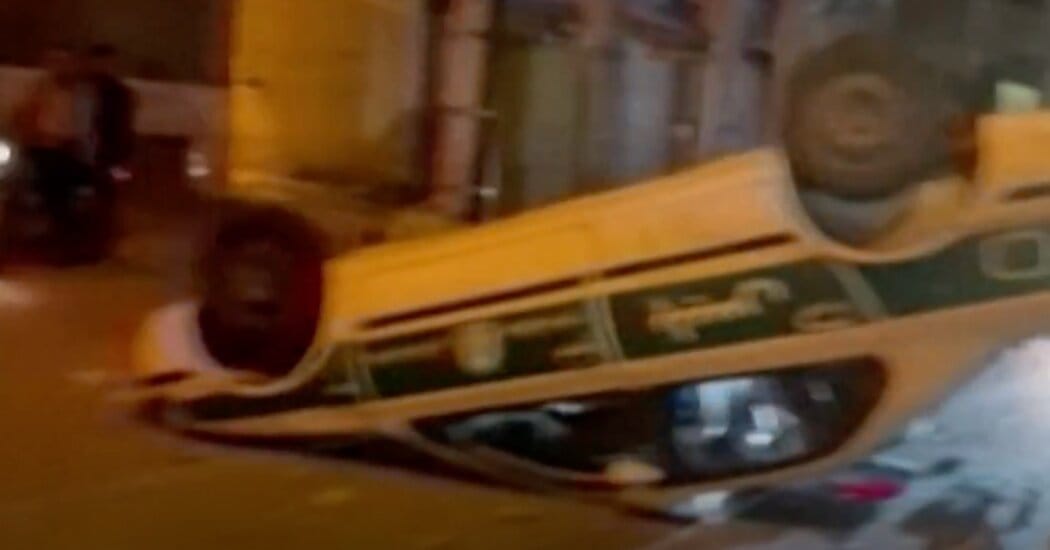
Amid a near-total communications blackout, witness footage from Iran has traced how protests challenging the country’s clerical rulers spread and turned deadly in what the report calls the nation’s largest uprising in decades. The unrest began after the Iranian rial plunged to a record low on Dec.
28, touching off strikes and marches by shopkeepers in Tehran’s bazaars; videos verified by The New York Times show merchants chanting in Charsou Mall. In the days that followed students and poorer Iranians joined demonstrations and authorities used tear gas to try to disperse crowds.
The protests spread from major cities to towns such as Fasa and Azna, where footage shows objects burning and gunfire. As 2026 began, the first fatalities were officially reported. The report notes that President Masoud Pezeshkian initially acknowledged protesters’ economic pain; after a U.S.
military operation on Jan. 3 captured Venezuela’s president, Nicolás Maduro, President Trump warned that if Iran "start[ed] killing people" the country "would get hit very hard by the United States." Ayatollah Ali Khamenei blamed external enemies and said "rioters must be put in their place." After Khamenei’s speech, video emerged appearing to show security forces shooting at demonstrators and storming a hospital in Ilam; Mr.
Key Topics
World, Iran Protests, Tehran, Charsou Mall, Iranian Rial, Ayatollah Khamenei