
France adopts budget after months of turmoil as Lecornu survives no‑confidence votes
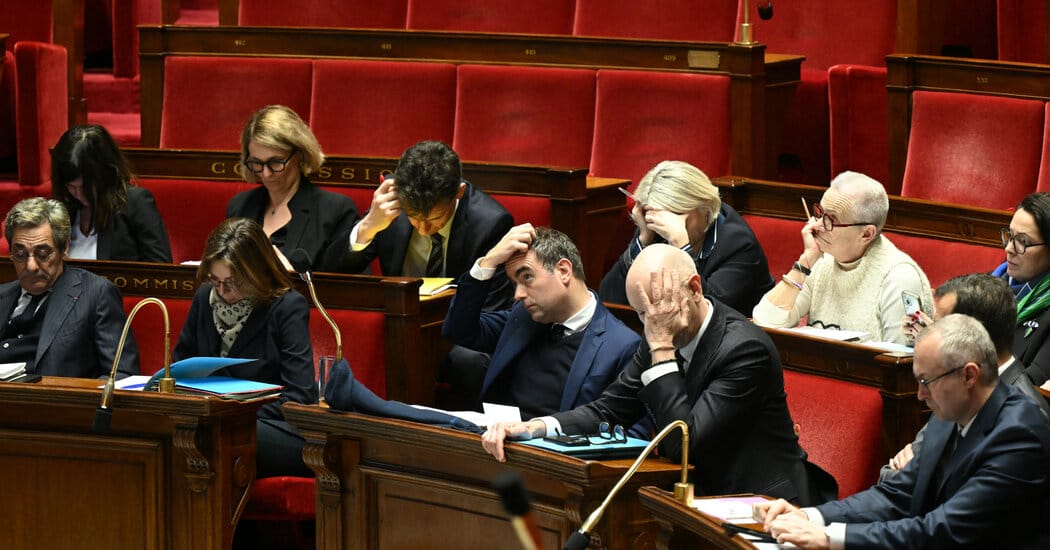
On Monday night, Feb. 2, 2026, Prime Minister Sébastien Lecornu overcame the last parliamentary obstacle to pass a state budget, surviving last‑gasp no‑confidence votes and clearing the way to fund state services for another year. For more than a year, the failed effort to pass a budget helped fuel what the report calls the most chaotic period in recent French history: splits in a divided lower house where no party holds a majority contributed to the downfall of three governments and two prime ministers.
To secure passage, Mr. Lecornu used Article 49.3 of the Constitution — a tool that allows the government to pass a bill without a vote. He had initially pledged not to use it but reversed course when negotiations failed. “He has been extremely shrewd,” said Benjamin Morel, a lecturer in public law at Panthéon‑Assas University.
The move provoked fierce opposition from parties on the far left and far right, which filed no‑confidence motions. The motions failed after the Socialist Party backed the government in exchange for concessions, producing a budget that calls for greater state spending than the government’s original plan and includes measures such as increases in certain social benefits and a bonus for minimum‑wage workers.
Mr. Lecornu told lawmakers, “I believe it is now time to move on and for France to finally have a budget.” The budget is subject to a routine judicial review by France’s highest constitutional authority. Mr.
sébastien lecornu, article 49.3, french state budget, no-confidence votes, socialist party concessions, minimum-wage bonus, increased social benefits, judicial review, divided lower house, far-left and far-right, national assembly, emmanuel macron