
Studies and experts say grass-fed beef is not a climate win
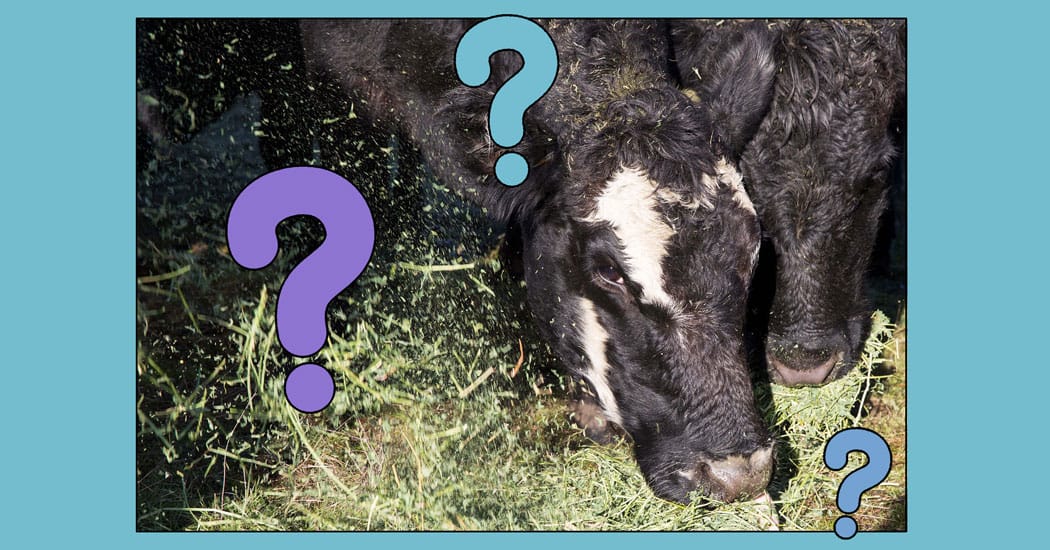
Many Americans wonder whether grass-fed beef is better for the planet, but experts and a recent analysis say it often is not: grass-fed operations can produce equal or greater greenhouse gas emissions than U.S. industrial beef. Cattle produce methane continuously, and methane is about 80 times as potent as a greenhouse gas during its first 20 years in the atmosphere.
Grass-fed cattle typically take up to three years to reach market weight, compared with about 18 months for animals finished in feedlots, and that longer lifetime means more methane. Peter Smith, a professor at the University of Aberdeen, said people often conflate climate with other environmental and animal welfare issues and that grass-fed beef “actually comes out no better — in fact, a little worse.” Industry-funded studies have argued that grazing can stimulate grass regrowth and lock carbon in soil, but a study by Ron Milo and Gidon Eshel that calculated U.S.
beef footprints found even the most efficient grass-fed operations create at least 10 percent more emissions per kilogram of protein than industrial beef. After accounting for soil carbon sequestration, most grass-fed options ended up no better than industrial ones. Dr.
Key Topics
Science, Grass-fed Beef, Methane Emissions, Industrial Feedlots, Soil Carbon, Gidon Eshel