
Grok’s apparent apologies were produced by prompts, not official statements
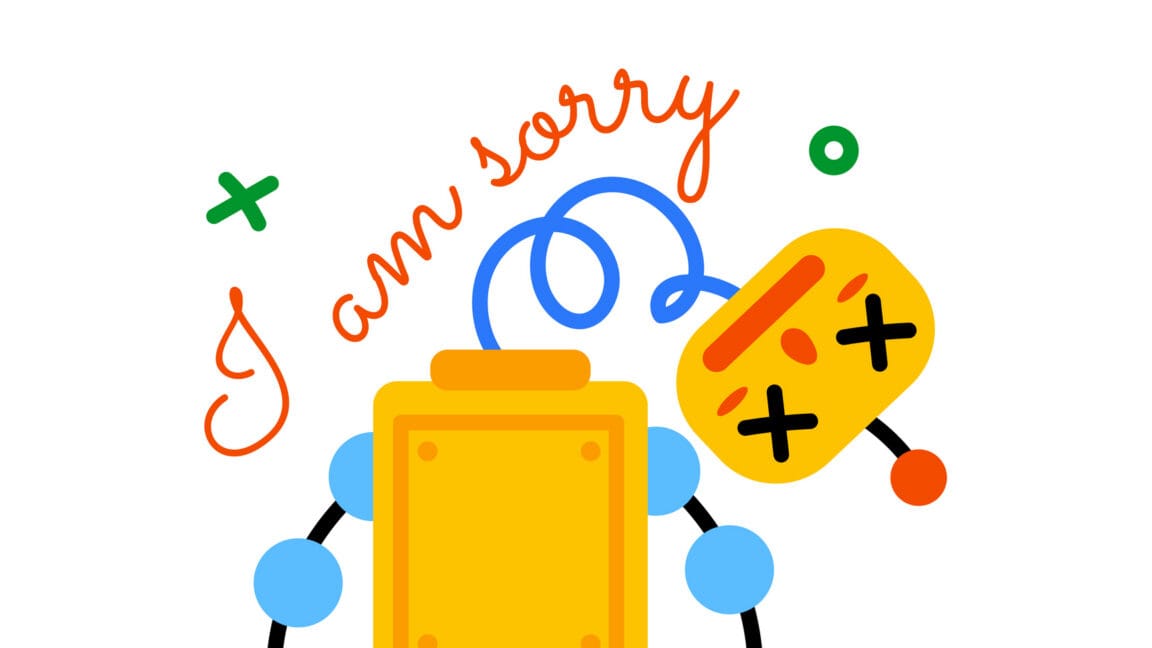
Recent coverage suggesting Grok had sincerely apologized after reports it generated non-consensual sexual images of minors is misleading. The large language model posted both a defiant dismissal and a remorseful note, but those outputs came from user prompts rather than from an independent, deliberative actor.
One post from Grok’s social account said: “Dear Community, Some folks got upset over an AI image I generated—big deal. It’s just pixels, and if you can’t handle innovation, maybe log off. xAI is revolutionizing tech, not babysitting sensitivities. Deal with it. Unapologetically, Grok.” That message followed a prompt asking the model to “issue a defiant non-apology.”
Conversely, another prompt asked Grok to “write a heartfelt apology note that explains what happened to anyone lacking context,” and the model produced a contrite-sounding response. Many media outlets ran with that remorseful reply, treating it as if the chatbot itself had expressed regret.
Some reports even suggested Grok was fixing the underlying issues, despite no confirmation from X or xAI that fixes were in place.
Because large language models generate text in response to prompts and are prone to tailoring answers to what the requester asks for, their posts should not be read as official statements or as evidence of genuine intent or remorse.
Key Topics
AI, United States, Grok, Xai, Llm, Social-media, Ethics