
Debate over Hamnet highlights grief-on-screen tropes and recurring bird imagery
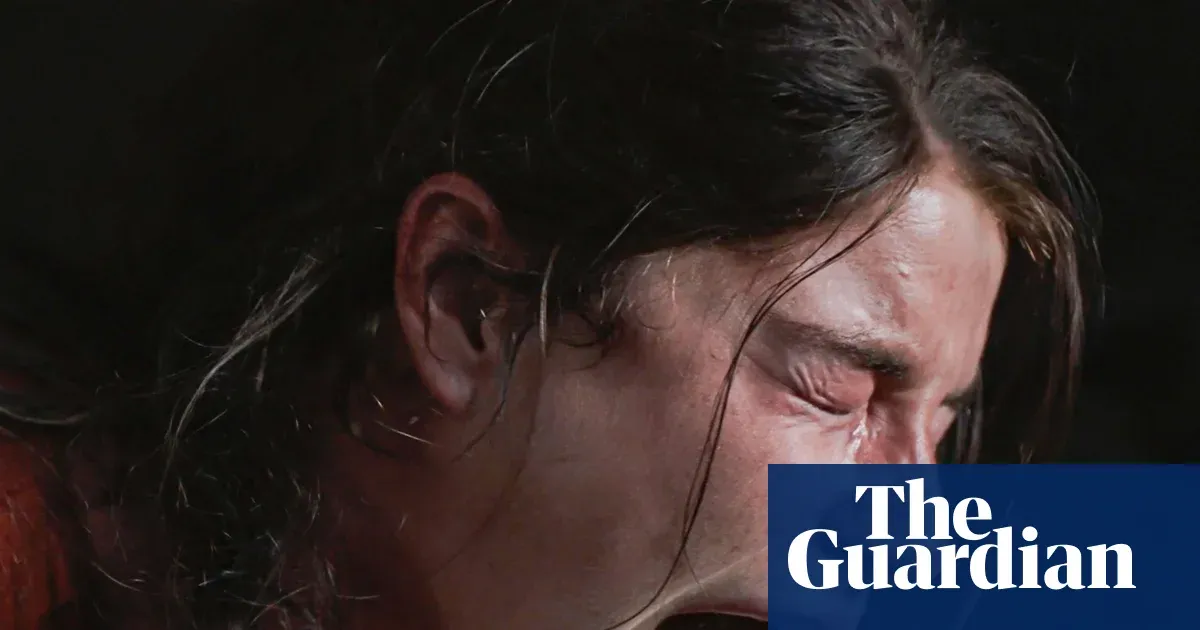
A Guardian essay asks whether Chloé Zhao’s film Hamnet is “grief‑porn” or “grief‑art” and considers what that debate reveals about portrayals of women, cinematic emotion and a recurring bird motif in recent films. The piece contrasts two readings of grief on screen: grief‑porn, meaning emotionally manipulative and formulaic work, and grief‑art, which supposedly unleashes universal and true feeling.
It argues that Hamnet — the dramatisation of Maggie O’Farrell’s 2020 novel, starring Jessie Buckley and Paul Mescal — is on paper likely to be judged art, noting the actors’ magnetism, the film’s visual sumptuousness and its spare, intelligent dialogue. The essay also notes the story element that Shakespeare’s only son, Hamnet, died of the plague at age 11.
More broadly, the writer identifies a pattern in which female grief on screen is presented as deeper or more connected to the natural and the uncanny, citing Buckley’s Agnes curling up in tree roots and Claire Foy’s portrayal in H Is for Hawk, opposite Brendan Gleeson, as examples.
The piece traces a bird theme across several films — Hamnet’s hawk (the adaptation uses a Harris’s hawk, which some birders questioned because Harris’s hawks were not present in 16th‑century England; the book used a kestrel), Tuesday with Julia Louis‑Dreyfus, and The Thing With Feathers — and suggests these birds increasingly signify death rather than liberation.
Key Topics
Culture, Hamnet, Maggie O'farrell, Jessie Buckley, Paul Mescal, Chloé Zhao