
Hokkaido Scallops Become a Diplomatic Lever in Japan-China Dispute
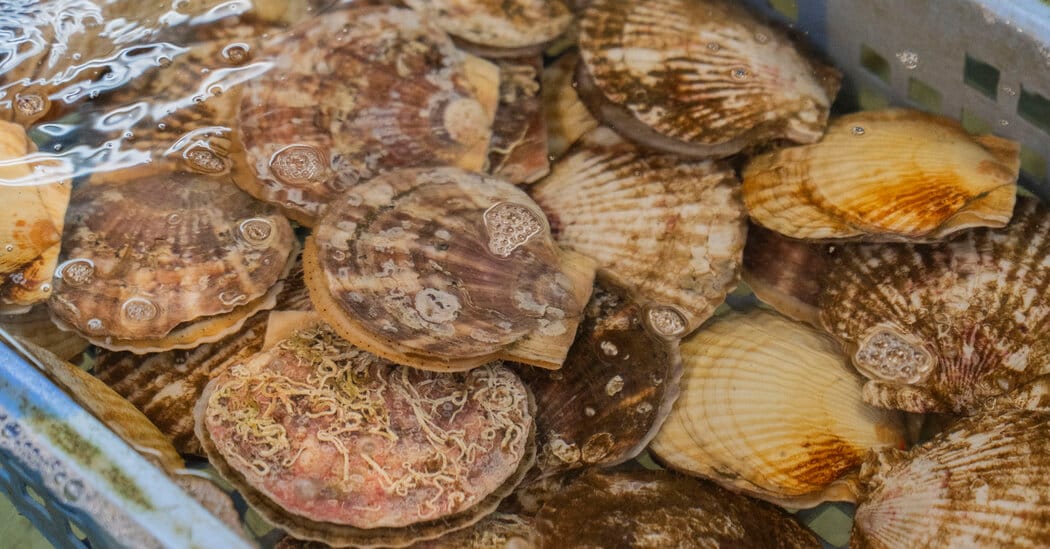
Hokkaido scallops, prized for their buttery umami and long a top Japanese seafood export to China, have become a diplomatic tool in escalating tensions between Tokyo and Beijing. Beijing first suspended most Japanese seafood imports in August 2023 after the release of treated water from the Fukushima plant.
Before that ban, China was the largest buyer of Japanese scallops; Japan exported roughly $641 million worth of scallops in 2022, with China taking more than half. After two years of halted trade and business diversification, nearly 700 Japanese firms sought Chinese certification last year.
On Nov. 5 a ship carrying six tons of frozen Hokkaido scallops departed for China, marking a short-lived resumption of exports. Two days later, Japan’s prime minister said a Chinese attack on Taiwan could be a “survival-threatening situation,” a comment that drew a sharp rebuke from Beijing.
Within weeks China froze new seafood export applications, closing the registration window for many processors. Producers and local industry groups say they feel caught in political maneuvering. Mitsugu Saito, an executive with Hokkaido’s seafood-processing association, said the region has been “used as some kind of tool in political maneuvering.” When China cut off imports in 2023, Japanese firms moved processing to Vietnam and other Southeast Asian sites and sought alternative markets.
Key Topics
World, United States, Business, Japan, China, Trade, Seafood