
How DoorDash and Other Delivery Apps Are Reshaping Mealtime in the U.S.
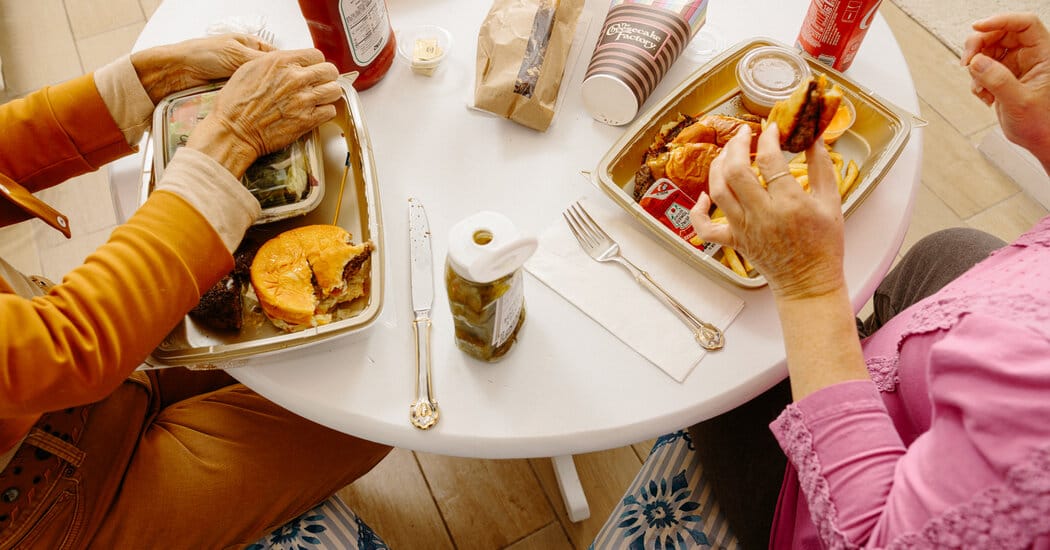
Food delivery apps such as DoorDash, Uber Eats and Grubhub have become central to American mealtimes, the New York Times reported Jan. 30, 2026 (updated Jan. 31), noting that in 2024 almost three of every four restaurant orders in the U.S. were not eaten in a restaurant, according to the National Restaurant Association.
The article says delivery surged during the pandemic and has since grown: the number of households using delivery roughly doubled from 2019, and about one-third of American adults told the association they ordered food for delivery at least once a week. In email responses the three major providers said they were proud of the extra time and choices they offer; an Uber Eats spokesman wrote, "You can find almost anything available for on-demand delivery." Readers who use delivery described a mix of convenience and concern.
From her roughly $50,000 annual salary, Kiely Reedy, 34, in San Diego said she spends at least $200 to $300 a week on delivery, tipping generously but worrying that drivers are poorly paid and that ordering has eaten away at her savings. Kevin Caldwell, a working parent in Atlanta, said he and his husband spend about $700 a week on delivery because of time and exhaustion, and that his formal dining room "is collecting dust." Other users described different effects on social life and taste.
Some, like Missy Auge, said they now go out less; others, like Neha Kowal, said delivery lets them spend more time with friends.
doordash, uber eats, grubhub, food delivery mealtime, delivery app spending, delivery driver pay, national restaurant association data, pandemic delivery surge, households using delivery doubled, chick-fil-a app