
Icebreaker Araon arrives at Thwaites Glacier to begin monthlong research
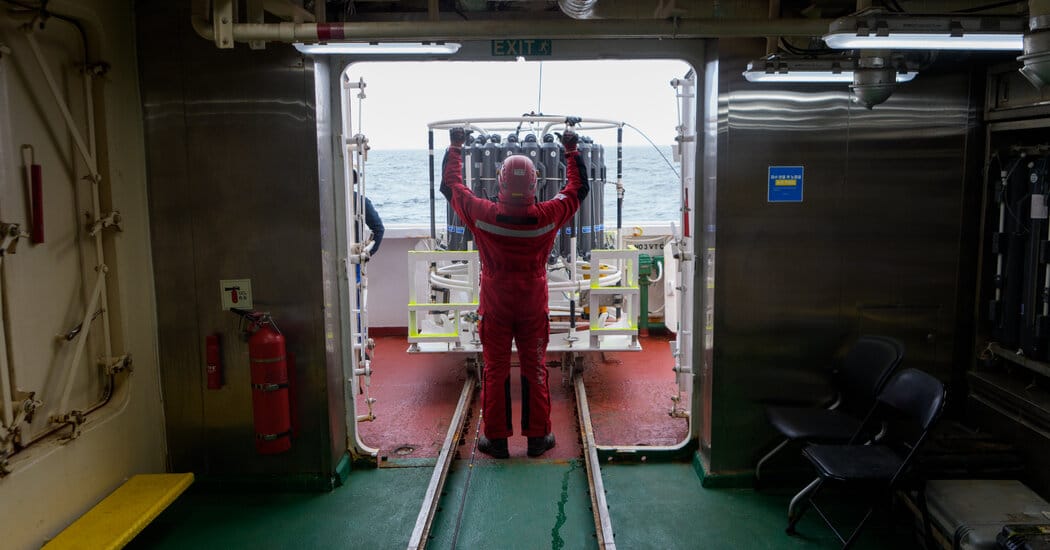
After a 12-day crossing, the icebreaker Araon and nearly 40 scientists reached the Thwaites Glacier in the Amundsen Sea on Wednesday, beginning an ambitious campaign of air, sea and surface studies. The voyage from New Zealand was mostly smooth until the ship entered an exceptionally dense area of sea ice on Monday, forcing hours of slow navigation through immobilized icebergs and floes.
The Araon, operated by the Korea Polar Research Institute, will host international teams that plan to fly radar over the glacier, lower a remote-controlled rig into narrow rifts by helicopter, and send a 10-person drilling team to the windswept surface to drill a half-mile-deep hole with hot water and place instruments in the seawater cavity below.
The Thwaites Glacier is described in the expedition reporting as a mass of ice as big as Florida that could raise global sea levels by two feet if it melted entirely; scientists warn that its collapse could, in a worst case, contribute 10 to 15 feet of sea-level rise over several centuries.
Peter Davis of the British Antarctic Survey said the drilling project should "go a long way" toward helping predict how quickly Thwaites will melt. Work began Wednesday with oceanographic data collection, but the drilling mission faces logistical constraints. The only access from the ship is by helicopter; the Araon could anchor about 30 kilometers from the planned site but would have to navigate a partly ice-clogged passage.
Key Topics
Science, Thwaites Glacier, Araon, Amundsen Sea, British Antarctic Survey, Hot Water Drilling