
Investment in AI-resistant Halo companies lifts UK and EU markets
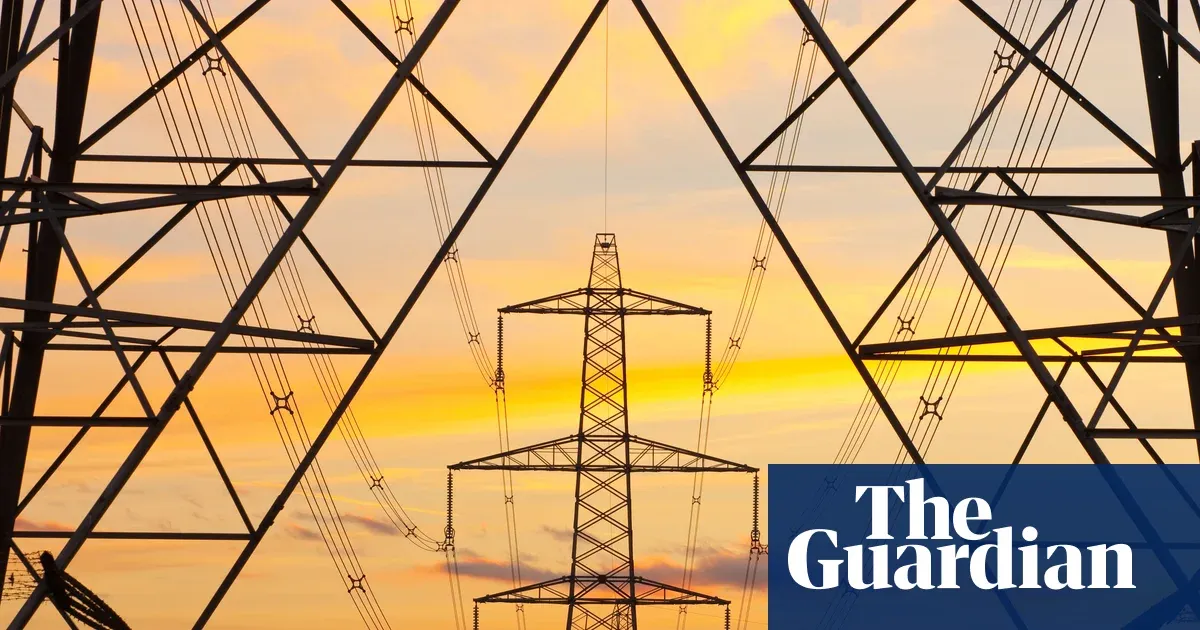
Investors have adopted a new mantra as AI threatens to reshape the global economy: the Halo trade. Interest in Halo — short for 'heavy assets, low obsolescence' — has risen as investors seek out companies with tangible, productive assets that might be insulated from AI disruption, such as energy and transport infrastructure companies.
While US mega-cap tech companies have had a rough start to 2026, the Halo trade helped push UK and EU stock markets to record levels by the end of February. Goldman Sachs said its basket of more than 100 big-spending companies outperformed a similar grouping of capital-light firms by 35% since 2025, with asset intensity becoming a key driver of valuations and returns.
After more than a decade of under-investment, corporates are shifting decisively back toward physical assets. Goldman defined Halo businesses as those that pair substantial physical capital — where barriers to replication include cost, regulation, time to build or engineering complexity — with long-lived economic relevance.
United Kingdom, European Union
halo trade, heavy assets, low obsolescence, energy, transport infrastructure, uk markets, eu markets, asset intensity, goldman sachs, capital light