
iPhone 17 Pro moves to aluminium unibody and stronger telephoto, but price climbs
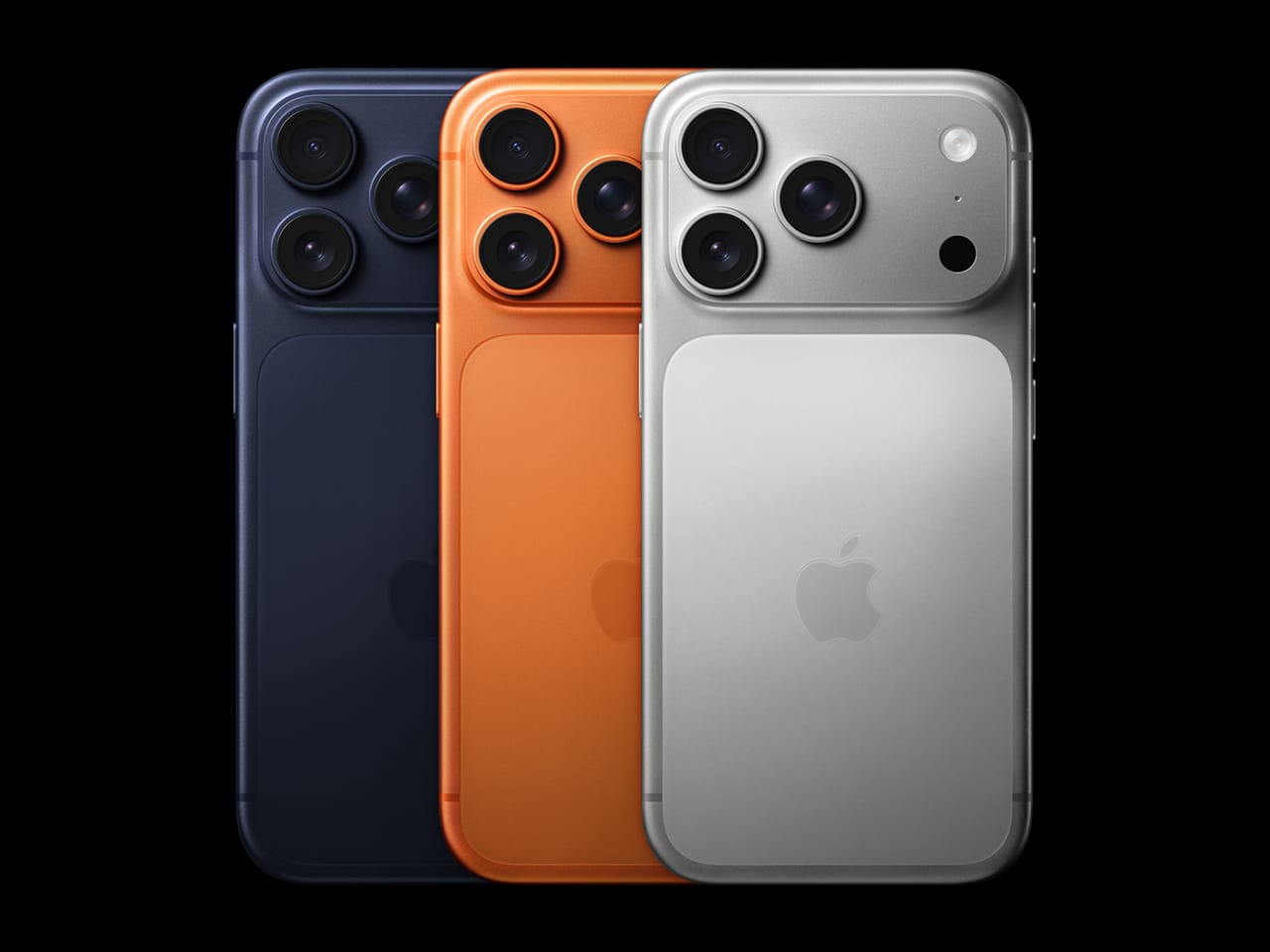
Apple’s iPhone 17 Pro marks one of the most visible design changes to the iPhone line in several years, replacing the previous titanium sides and all-glass rear with an aluminium unibody and a large full-width camera plateau.
The redesign is accompanied by an increase in price. The 17 Pro starts at £1,099 (€1,299/$1,099/A$1,999) for the 256GB model, crossing the £1,000 threshold for the smallest Pro iPhone for the first time. The base storage has been doubled compared with previous entry configurations.
From the front, the handset retains the familiar Pro look with the Dynamic Island housing the selfie camera at the top of the display. The 6.3-inch Super Retina XDR OLED panel runs at 120Hz and is shared with the standard iPhone 17; Apple has increased peak brightness and added a new anti-glare coating to reduce reflections outdoors.
The aluminium sides have been given a softened, rounded finish that offers a comfortable grip. The phone’s weight has risen by around 5g to 204g, pushing it above the 200g mark and making it a heavier compact handset than previous models.
A glass insert slightly larger than a credit card is set into the aluminium rear, providing surfaces for MagSafe or Qi2.2 chargers and accessories to attach. The large metal plateau that houses the three rear cameras is more prominent than recent camera bars on other phones. Apple notes that the aluminium will not crack like glass when dropped, but it is more prone to scratches, particularly around the plateau edges, so using a case is recommended.
Under the hood, the iPhone 17 Pro is powered by Apple’s A19 Pro chip and, for the first time in an iPhone, uses a vapour chamber cooling system. The cooling approach is intended to disperse heat into the phone’s body, keeping it cooler under sustained loads and improving performance and frame rates during extended gaming sessions. The phone also includes 12GB of RAM and ships with iOS 26.
Battery life is solid for a phone of this size. The review found the handset lasted about 42 hours between charges with roughly six hours of active screen use across 5G and Wi-Fi, which is about two hours longer than the previous model. On heavy-use days the phone still finished with roughly 25% battery remaining. Charging speeds are competitive: a full charge via USB-C takes around 76 minutes, and the phone hits approximately 70% in 30 minutes with a 40W adapter (not included). Qi2 25W wireless charging takes about 96 minutes using compatible chargers.
Sustainability and repairability have been considered. The device uses more than 30% recycled material across a range of components, and Apple reports the battery retains at least 80% of its capacity after more than 1,000 full-charge cycles. Battery replacement is available for £109, while out-of-warranty screen repairs cost £349. Repair specialists iFixit awarded the phone a seven out of 10 for repairability. Apple continues to offer trade-in and free recycling schemes, including for non-Apple products.
The camera system remains a central differentiator for the Pro model. The 17 Pro includes three 48-megapixel rear cameras: main, ultra-wide and a newly upgraded telephoto. The telephoto now provides 4x optical zoom at 48MP, up from last year’s 12MP 5x solution. In practice, the 4x telephoto produces detailed, well-balanced images and can be cropped to an 8x equivalent with good results in bright light. Beyond about 15–20x magnification, results show obvious digital zoom artifacts.
The main camera supports a native 2x crop zoom that retains colour and detail comparable to 1x shots in good light, though it becomes grainier in dim conditions. All three rear cameras shoot high-quality video, and the phone offers features such as macrophotography mode and the ability to record simultaneously from front and rear cameras with the operator shown in a small window. Apple’s automatic portrait mode works with people, pets and objects.
The front-facing camera receives its first significant upgrade in several years with an 18MP sensor and Centre Stage technology. The selfie camera can automatically pan and zoom to keep subjects in frame for video calls and can expand the capture area to accommodate landscape-style group selfies while the phone is held in portrait orientation.
Software on the 17 Pro is iOS 26, which introduces Apple’s “Liquid Glass” interface design. The new look includes more rounded text and icons and increased transparency effects. While generally functional, some users may find certain transparency elements blend too closely with backgrounds.
The 17 Pro competes with Apple’s own lineup, including the thinner iPhone Air and the upgraded standard iPhone 17, which now matches the Pro on screen quality for the first time but lacks the Pro’s telephoto camera. Comparatively priced rivals cited include the Google Pixel 10 Pro at £999 and the Samsung Galaxy S25 Ultra at £1,099.
Overall, the iPhone 17 Pro presents a notable aesthetic change and a meaningful camera upgrade, especially for buyers seeking a high-quality telephoto. However, the higher entry price and the availability of similarly equipped but less costly models within Apple’s range mean prospective buyers will need to weigh the improved zoom capabilities against cost and weight.
- Key specifications: 6.3in Super Retina XDR (120Hz OLED), Apple A19 Pro, 12GB RAM, 256/512GB/1TB storage, triple 48MP rear cameras, 18MP front camera, USB-C, wifi 7, 5G.
- Pros: distinctive design, compact for a Pro, improved telephoto (4x/8x), upgraded selfie camera, strong battery life and performance.
- Cons: higher price, heavier than previous models, more scratch-prone aluminium finish, limited new AI features compared with some rivals.
Key Topics
Iphone 17 Pro, Aluminium Unibody Design, Full-width Camera Plateau, A19 Pro Chip, Vapour Chamber Cooling System, 48mp Triple Camera System, 4x Telephoto Camera, 18mp Selfie Camera, Super Retina Xdr Oled 120hz Display, Battery Life And Charging Speeds, Qi2 Wireless Charging, Ios 26 Liquid Glass Interface, Usb-c And Wi‑fi 7, Repairability And Sustainability, Price And Storage Options