
iPhone Air: Apple pares features to achieve an ultra‑thin, lightweight design
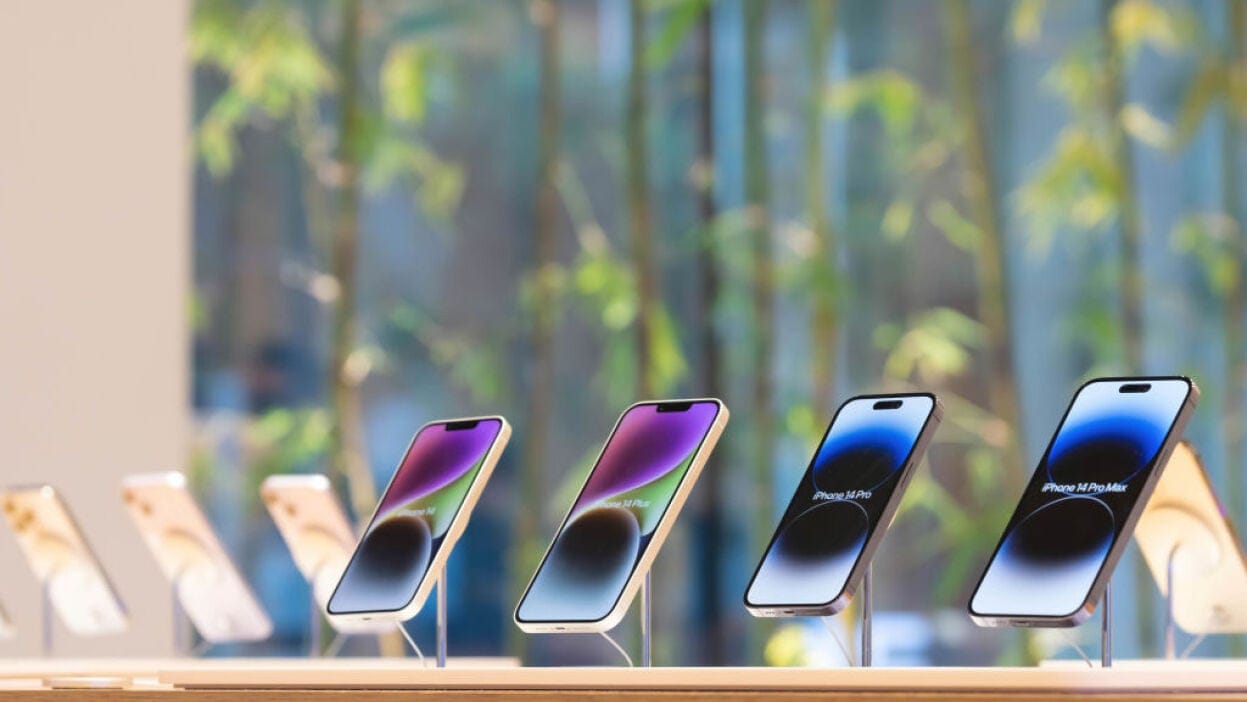
Apple’s iPhone Air is a study in reduction: the company has traded some hardware and runtime features to deliver one of the thinnest and lightest phones in its lineup. The result is a premium-feeling device that prioritises portability and style, while accepting compromises on battery life, camera versatility and audio.
The Air’s body measures 5.64mm at the thinnest point and weighs 165g. A raised camera plateau and lens module roughly double the phone’s thickness in that area to about 11.3mm. The frame is titanium and glass, with soft edges that help the handset feel even slimmer in the hand. The 6.5in Super Retina XDR OLED display offers 120Hz refresh and a pixel density of 460ppi.
Internally the phone runs iOS 26 and is powered by Apple’s A19 Pro chip, configured with one fewer GPU core than the chip used in the iPhone 17 Pro. That configuration provides responsive general performance and strong everyday speed, with slightly reduced graphics performance for demanding gaming and other GPU-intensive workloads. Under sustained load the area around the rear camera can become noticeably warm.
The Air follows a strict simplification approach to hardware. It omits the usual stereo speaker setup; instead it relies on the earpiece speaker at the top of the device. The rear camera system is reduced to a single 48‑megapixel sensor, and there is no ultrawide or telephoto lens. The front-facing camera is an upgraded 18MP unit with Centre Stage functionality, which can automatically pan and zoom to keep subjects framed and supports landscape selfies and simultaneous front-and-rear video recording.
Apple has also removed the physical nano‑SIM tray: the iPhone Air is eSIM-only worldwide. While major network operators in some markets can provide eSIMs, not all providers — particularly some budget carriers — offer robust eSIM setup and transfer experiences. In markets where carriers have yet to standardise eSIM provisioning, switching phones or plans can be more cumbersome than with a physical SIM.
The decision to prioritise thinness extends to the battery. Although much of the device’s internal volume is given over to the battery, the cell is smaller than those in wider models. Charging from empty to full takes about 105 minutes when using a USB-C power adaptor rated at 20W or greater, and the phone reaches approximately 60% in around 35 minutes.
Measured battery endurance varies with usage. On relatively light days — approximately five hours of active screen time for browsing, messaging and video, mostly on Wi‑Fi — the Air lasted about 40 hours between charges. Under heavier use that included photography, mapping over 5G, music playback and video streaming during commutes, the device lasted roughly 30 hours and finished the day with about 25% battery remaining. The phone will generally require a nightly charge for regular heavy use, and users who play many games or run intensive tasks may need to rely on low power mode.
Wireless top-ups are practical for typical use. The Air supports Qi2 and MagSafe charging; Apple’s MagSafe battery accessory can substantially extend runtime but negates the slimness the product is designed to deliver when attached. The device also offers modern connectivity including Wi‑Fi 7, Bluetooth 6, NFC, Thread, USB‑C, satellite connectivity, UWB and GNSS. It retains IP68 water resistance.
On photography, the single 48MP rear camera produces strong results in good light and performs adequately in dim indoor conditions. It can deliver a usable 2x crop, but beyond that range images are effectively digitally zoomed and can lose detail and show softness. The absence of dedicated ultrawide and telephoto optics limits compositional flexibility compared with multi-camera models.
Apple positioned the Air between other models in its lineup. Pricing starts at £999 (€1,199/$999/A$1,799) for the base 256GB configuration. For context, Apple’s wider product range includes the iPhone 16e at £599, the iPhone 17 at £799, the iPhone 17 Pro at £1,099 and the iPhone 17 Pro Max at £1,199. Competing devices listed in the same price vicinity include the Google Pixel 10 at £799 and the Samsung Galaxy S25 Edge at £899.
Apple has kept durability and repairability considerations in view. The Air is rated IP68 and contains easily replaceable components; Apple says the battery will retain at least 80% of its original capacity after more than 1,000 full charge cycles and can be replaced for £109. Out‑of‑warranty screen repairs cost £349. Independent specialists assigned the device a repairability score of seven out of ten. The company also reports the use of more than 35% recycled materials in the phone’s construction and continues to offer trade-in and recycling programmes.
- Key specifications: 6.5in Super Retina XDR OLED (120Hz); A19 Pro processor; 12GB RAM; 256/512GB or 1TB storage; 48MP rear camera, 18MP front camera; eSIM-only 5G; Wi‑Fi 7; USB‑C; IP68.
- Charging: 105 minutes to full, 60% in 35 minutes using ≥20W adaptor.
- Dimensions and weight: 156.2 x 74.7 x 5.64mm; 165g.
In sum, the iPhone Air is a technical and design achievement that deliberately sacrifices some functionality to achieve an ultra‑slender profile. The lighter weight and large display make it comfortable to hold and pocket. However, the lack of a multi‑lens rear camera, the reliance on eSIM only, reduced graphics performance relative to the Pro model, and a smaller battery may deter users who prioritise photography, longer battery life or broad carrier compatibility. For buyers who place a premium on thinness and ergonomics within Apple’s ecosystem, the Air offers a distinctive option; for others, more conventional models deliver a different balance of features and value.
Key Topics
Iphone Air, Ultra Thin Smartphone, Titanium Frame Design, Super Retina Xdr Oled, 120hz Display, A19 Pro Chip, Esim Only, 48mp Rear Camera, 18mp Front Camera With Centre Stage, Magsafe Charging, Wi‑fi 7, Usb‑c Charging, Ip68 Water Resistance, Battery Life And Charging Times, Repairability And Sustainability