
Iran Turns to Digital Surveillance Tools to Track Down Protesters
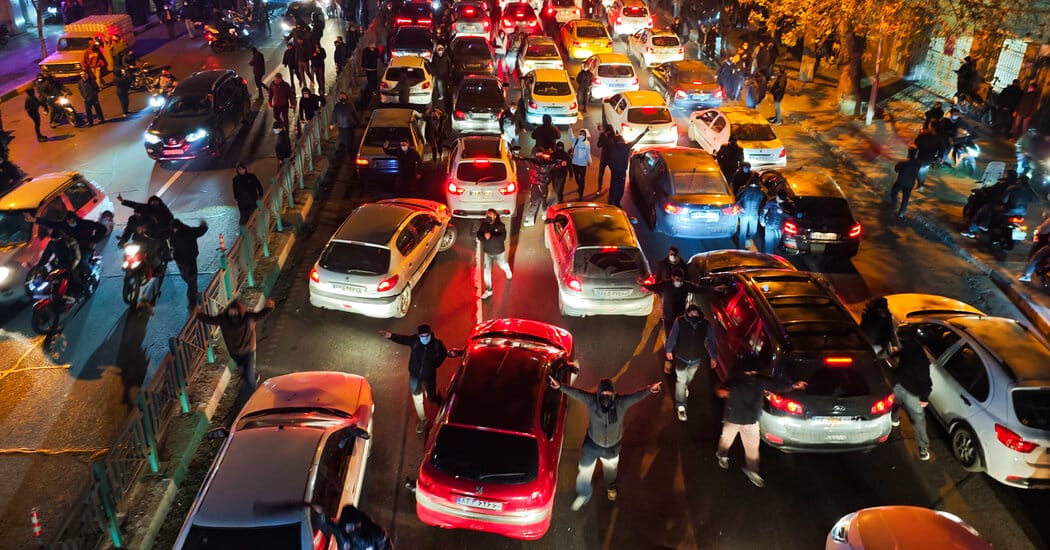
When Iranians began protesting in late December, some received an ominous text warning that their “presence at illegal gatherings” had been noted and they were under “intelligence monitoring.” Researchers later concluded the authorities most likely tracked protesters through location data from their phones.
As some online services were restored after the crackdown, the state deployed a broad digital surveillance system to identify and detain people who had taken part in the demonstrations. The architecture of that system dates to about 2013, when the National Information Network was built to filter the internet and monitor communications.
Over time tools to watch mobile devices, apps and web traffic were added alongside facial recognition and centralized digital identity programs. Blocking global platforms and steering users toward domestic services, plus mandatory phone and SIM registration, have made it easier to trace movements, connections and online behavior.
Iran
iran, protests, digital surveillance, location data, phone tracking, information network, facial recognition, sim registration, digital identity, internet filtering