
Iran’s ruling system strains after military losses and a deadly protest crackdown
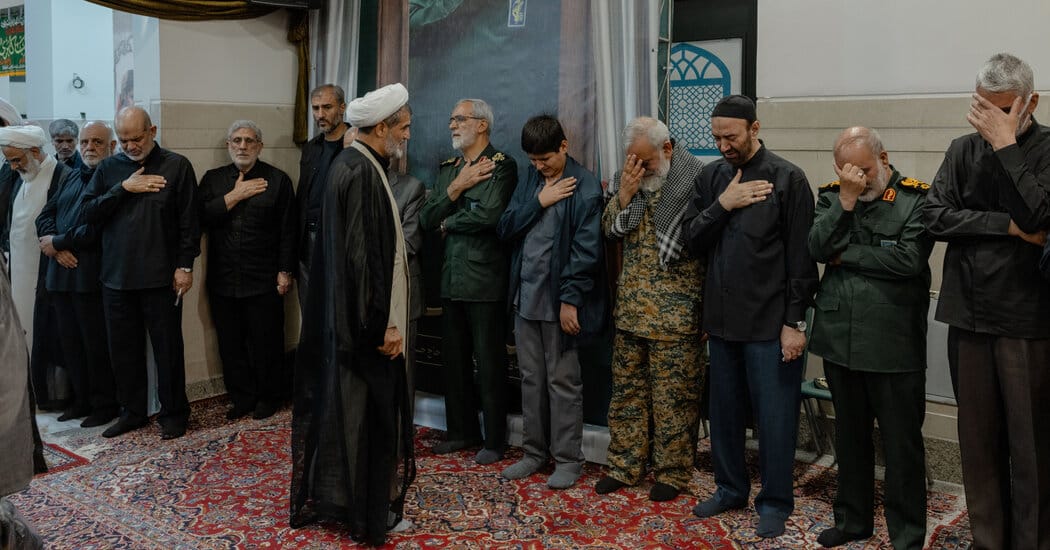
Iran’s ruling system is under strain after Israeli airstrikes in June wiped out the top leadership of the Islamic Revolutionary Guards Corps and a subsequent nationwide protest movement was met with a violent government response. The new generation of Revolutionary Guards leaders, elevated after the strikes that hit Tehran, responded to protests with what The New York Times described as “breathtaking brutality,” opening fire on unarmed demonstrators.
A U.S.-based Iranian human rights group said it had confirmed 5,002 deaths, including 207 members of the security forces, from Dec. 28 to mid-January; Iranian authorities gave an official toll of 3,117. Analysts quoted in the report said the crackdown both affirmed the centrality of Ayatollah Ali Khamenei and the Revolutionary Guards—estimated at about 150,000—and exposed deeper weaknesses: economic collapse after new U.N.
sanctions, shortages of water and electricity, a costly and damaged nuclear program, and growing domestic defiance such as the open flouting of compulsory head-scarf edicts. Experts described a shift of power toward the Guards, which now control media, parts of the economy, oil exports, seaports, an intelligence agency and an air force, and noted a generational split within the corps between older, wealthier figures and younger, more aggressive officers.
Where Iran goes from here is unclear.
Key Topics
World, Islamic Revolutionary Guards, Ayatollah Ali Khamenei, Iran, Israeli Airstrikes, Nationwide Protests