
Iran Shocks Could Spur a Shift to Clean Energy — But Also to Coal
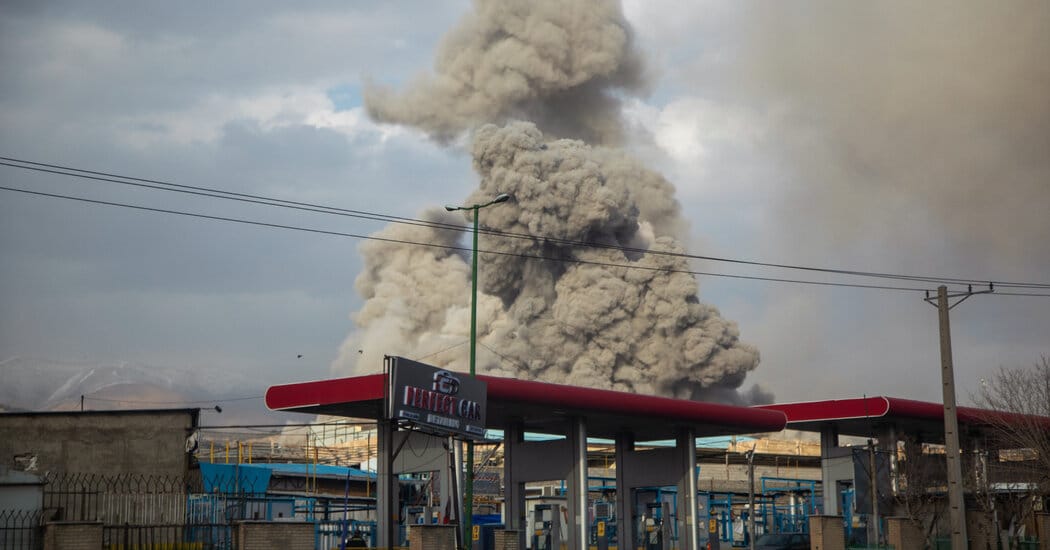
The war in Iran is choking off oil and gas supplies and driving energy prices higher around the world. For many environmentalists, that is a strong argument to reduce fossil fuel use and accelerate wind, solar and other renewables. Simon Stiell, the United Nations climate chief, said that "fossil fuel dependence leaves economies, businesses, markets and people at the mercy of each new conflict," and called investing in renewable energy "the obvious pathway to energy security." Responses are likely to be uneven.
Some countries in Europe and Asia may add wind turbines, solar panels and batteries as they did after Russia invaded Ukraine in 2022, and sustained higher oil prices could make electric cars more economical from Brazil to the United States. Others might burn more coal or embrace American natural gas, and if the conflict pushes up interest rates it could make new renewable systems more expensive.
"It’s like an inkblot test," said David Victor of the University of California, San Diego.
Iran
iran war, oil supplies, gas supplies, energy prices, renewable energy, wind turbines, solar panels, coal, natural gas, electric cars