
Judge Proposes Limits on Deporting Noncitizen Members of Two Academic Groups
A federal judge in Boston proposed restricting the Trump administration’s ability to deport noncitizen members of two major academic organizations, offering a remedy in a case that tests the First Amendment rights of noncitizen student activists and scholars. Judge William G. Young said his proposed order would force the government to answer in court if it sought to deport any member of the two groups, explaining why reasons other than their speech would justify removal.
He said any adverse immigration enforcement against a member would be presumed to be retaliation unless the government demonstrated it was not, and described his proposal as a targeted restriction on what he called a sweeping and unconstitutional abuse of power. In September, Judge Young issued a 161-page opinion finding that the First Amendment protects speech by noncitizens studying in the country and that the government had violated those protections.
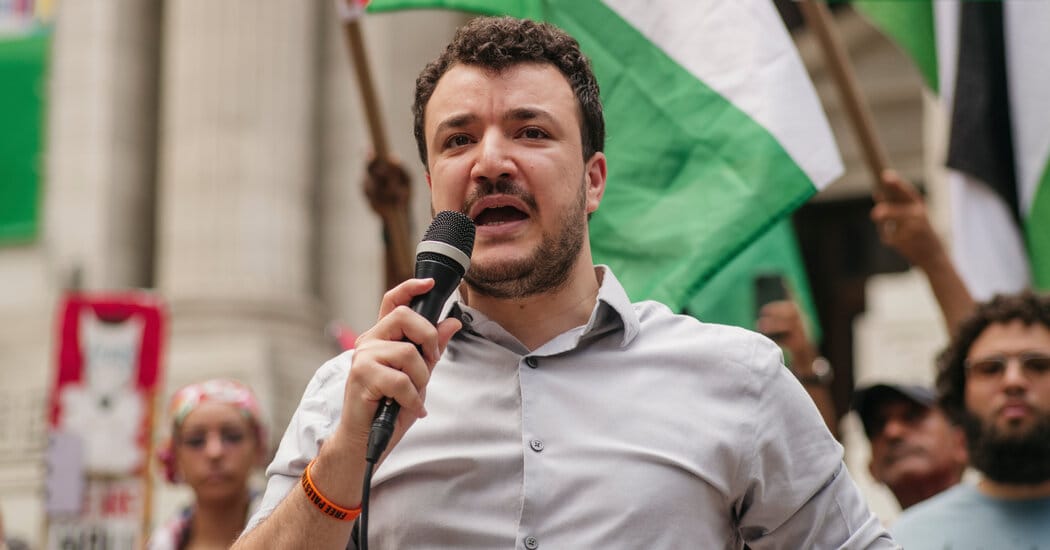
The judge’s hearing followed a government campaign that began in March to arrest noncitizen students active in campus demonstrations against Israel. The State Department, led by Mr. Rubio, invoked a rarely used immigration provision saying the students’ presence could lead to “potentially serious adverse foreign policy consequences” and authorized removal.
Key Topics
Politics, William G. Young, Mahmoud Khalil, State Department, Columbia University, Middle East Studies