
FT Analysis Shows Lagarde’s Total Compensation Substantially Exceeds ECB Disclosure and Outstrips Fed Chair
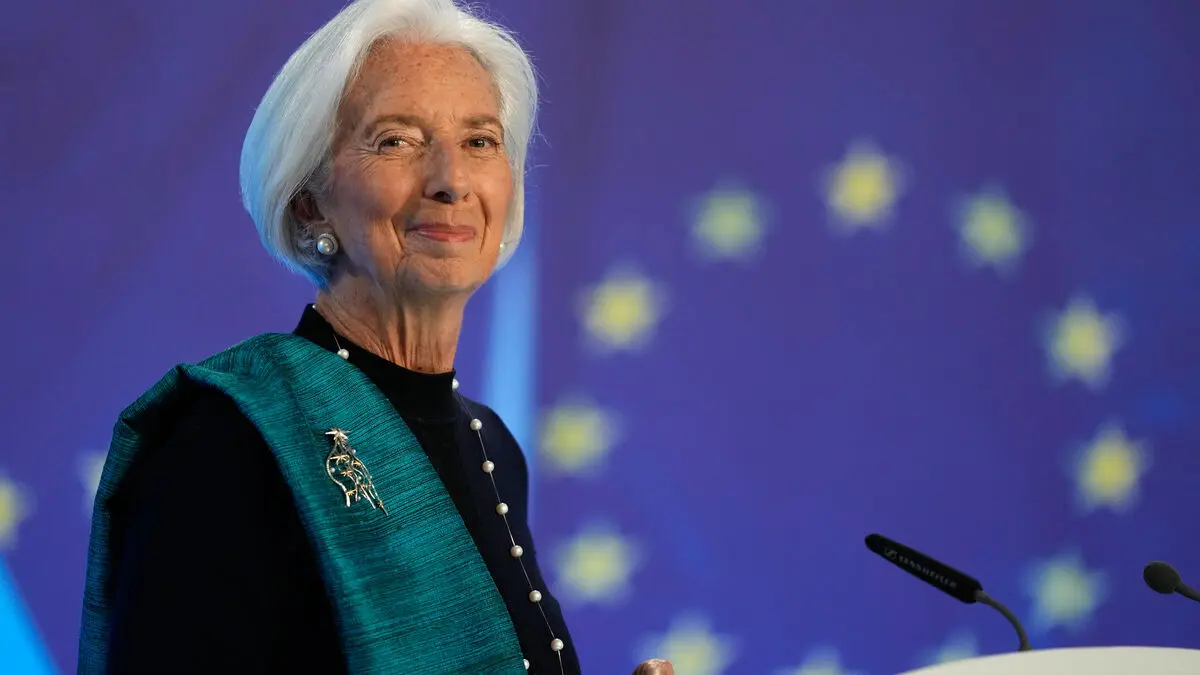
Financial Times analysis has found that the total compensation received by European Central Bank President Christine Lagarde is about 50% higher than the figure disclosed by the ECB, and almost four times the amount received by Federal Reserve Chair Jay Powell.
The analysis, published by the FT, highlights a significant gap between the ECB’s published remuneration figure for its president and the fuller measure of pay calculated by the newspaper. It also underscores a stark contrast between the compensation of the heads of the two major central banks in Europe and the United States.
Details of the FT’s methodology and the components included in its calculation were outlined in the paper’s reporting. The newspaper’s findings place the total package received by the ECB president substantially above the headline figure the central bank has reported publicly.
The comparison with the Federal Reserve chair is striking. According to the FT’s assessment, Lagarde’s total compensation is nearly quadruple that of Jay Powell. The disparity draws attention to differences in reported pay between central banks and to how remuneration is presented to the public.
Central bank leaders’ pay packages typically include base salary and may encompass other elements such as allowances, benefits and pension-related accruals. How these elements are accounted for and disclosed can affect headline figures and public perception. The FT’s analysis suggests that the headline number published by the ECB does not capture the full compensation calculated by the paper.
Observers and stakeholders often view transparency around compensation at public institutions as an element of accountability. The FT’s findings may prompt questions about reporting practices and consistency across jurisdictions, particularly when comparisons are made between institutions with different legal frameworks and disclosure regimes.
Differences in disclosure practices can complicate direct comparisons. Central banks operate under distinct governance structures and legal arrangements, and their reporting obligations vary. The FT’s comparison between the ECB president and the Federal Reserve chair highlights how these institutional differences can translate into substantially different headline compensation figures.
Public scrutiny of senior pay at institutions with public mandates can lead to calls for clearer, more comprehensive reporting. The FT analysis brings renewed attention to how central banks present the compensation of their most senior figures and whether those presentations reflect the full economic value of remuneration packages.
For policymakers and stakeholders, the finding may reinforce debates about transparency, governance and the clarity of financial disclosures within public-sector bodies. It may also prompt further independent scrutiny and reporting that seek to reconcile differences between headline disclosures and broader measures of compensation.
More broadly, the FT’s work demonstrates the role of investigative and analytical reporting in illuminating complex financial subjects and in comparing public-sector compensation across national and institutional boundaries. The results of such analyses can influence public discussion around governance standards and disclosure norms.
At a time when central banks remain central to economic policy and public interest, how they account for and report senior remuneration is likely to remain a topic of attention. The FT’s analysis, by drawing attention to a substantial discrepancy between disclosed and calculated compensation for a leading central banker, is likely to feed into ongoing conversations about transparency and accountability in economic institutions.
Key Topics
Christine Lagarde Compensation, Ecb President Pay, Federal Reserve Chair Pay, Jay Powell Compensation, Ft Analysis Of Remuneration, Compensation Disclosure Gap, Central Bank Transparency, Public Sector Senior Pay, Remuneration Reporting Practices, Pension Accruals And Benefits, Cross-jurisdictional Comparisons, Governance And Accountability, Headline Versus Total Compensation, Investigative Financial Reporting