
Last known Sacramento Mountains checkerspot caterpillar held in New Mexico lab
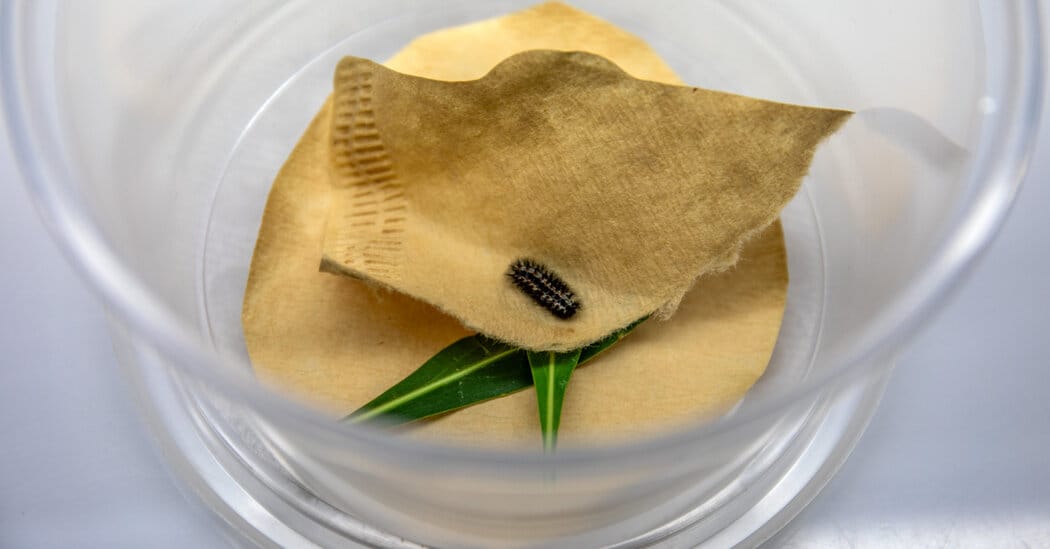
A single caterpillar kept in an Albuquerque laboratory is the last known individual of the critically endangered Sacramento Mountains checkerspot butterfly, scientists say. Researchers hope the larva will pupate into a butterfly and that they can breed it if another mate is found in the insect's only known habitat, the Sacramento Mountains of New Mexico.
The subspecies has not been seen in the wild since 2022. In 2022 four butterflies were collected and produced more than 160 caterpillars, but almost all died before becoming adults and no male–female pair survived at the same time; by this spring only one larva remained, still in larval form after three years.
The caterpillars eat only New Mexico beardtongue, a plant endemic to the region, and scientists cite climate change and excessive grazing among the threats that have damaged the insects' food plants. Federal wildlife officials list five primary threats: overgrazing, climate change, altered wildfire regimes, invasive plants and recreation.
The butterfly was petitioned for protection in 1999 and was classified as endangered in 2023. Teams surveyed meadows in June and July, swabbing for environmental DNA and checking fenced areas meant to protect plants, but did not find any checkerspots; the surveys ended in late July.
Key Topics
Science, Sacramento Mountains Checkerspot, Albuquerque, New Mexico, New Mexico Beardtongue, Lincoln National Forest